
How to Win More Contracts with Slope Mowing Services
Turn proven capability into a stronger mowing proposal
Quick Answers
How can a contractor win more slope mowing work? Show that the site fits your equipment, provide evidence of comparable work, and submit a clear proposal that addresses the buyer’s scope and evaluation criteria.
Who buys these services? Potential buyers include public works departments, commercial property managers, industrial facilities, utilities and large property owners with recurring vegetation maintenance needs.
Does owning a remote-controlled mower guarantee contracts? No. Price, demonstrated capability, scheduling, insurance, required qualifications and the quality of the proposal all matter.
Reviewed and updated October 22, 2026.
Define the Service You Can Reliably Deliver
Describe the sites and vegetation you can maintain, your service area, the required finish and your available capacity. Routine mowing of grass-covered banks is different from removing woody brush, stabilizing erosion or clearing land. Sell only work supported by your equipment, training and site assessment.
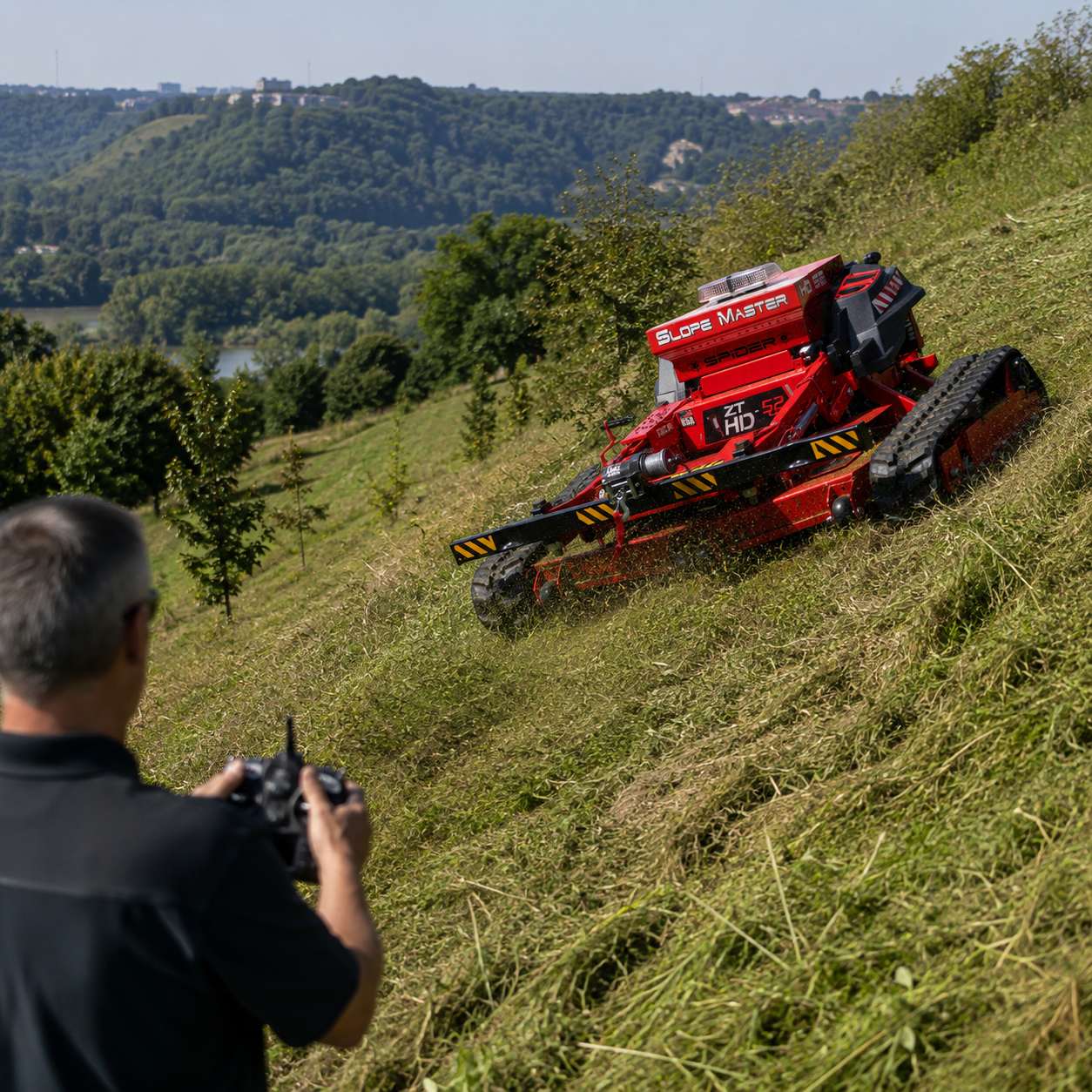
Slope Master advertises remote-controlled mower capability up to 60 degrees. Treat that as a manufacturer capability statement, not a promise that every 60-degree site is workable. Access, soil stability, moisture, obstacles and the instructions for the specific machine still govern the decision.
Find Buyers with Recurring Maintenance Needs
Build a focused prospect list around properties you can serve efficiently. Commercial and municipal applications include roadside banks, pond perimeters, parks, industrial grounds and utility corridors.
For public work, review the purchasing agency’s official vendor portal and the actual solicitation. Track required registrations, submission deadlines, site visits, insurance documents and evaluation criteria. Requirements differ by buyer and contract; equipment ownership alone does not establish eligibility.
Private property managers may value a documented maintenance schedule, consistent appearance and a reliable point of contact. Ask how they approve work, inspect completion and handle unexpected debris or inaccessible areas before proposing a service package.
Inspect the Site Before You Quote
- Measure the job: map mowable areas and identify the steepest sections, rather than relying only on total parcel acreage.
- Check access: record gate width, unloading space, turning room and restrictions on vehicle entry.
- Inspect vegetation: distinguish maintained grass from dense growth, saplings and concealed debris.
- Identify hazards: note water, drop-offs, utilities, traffic, pedestrians and unstable ground.
- Define the finish: agree on cutting height, trimming, clippings, cleanup and inspection expectations.
A photo-based estimate can be a starting point, but confirm the conditions that materially affect price and feasibility. Record exclusions and the process for approving additional work.

Build a Proposal the Buyer Can Evaluate
Organize the proposal around the buyer’s requested scope. Include:
- Site and service description: mapped work areas, visit frequency and measurable completion standards.
- Operating approach: the equipment proposed, trained operator, support staffing and relevant site controls.
- Evidence: permission-cleared photos, references and measured results from comparable jobs. Label estimates and do not invent case studies.
- Schedule: expected duration, weather rescheduling, seasonal growth assumptions and communication procedures.
- Price and scope boundaries: included work, exclusions, mobilization, debris handling and treatment of changed conditions.
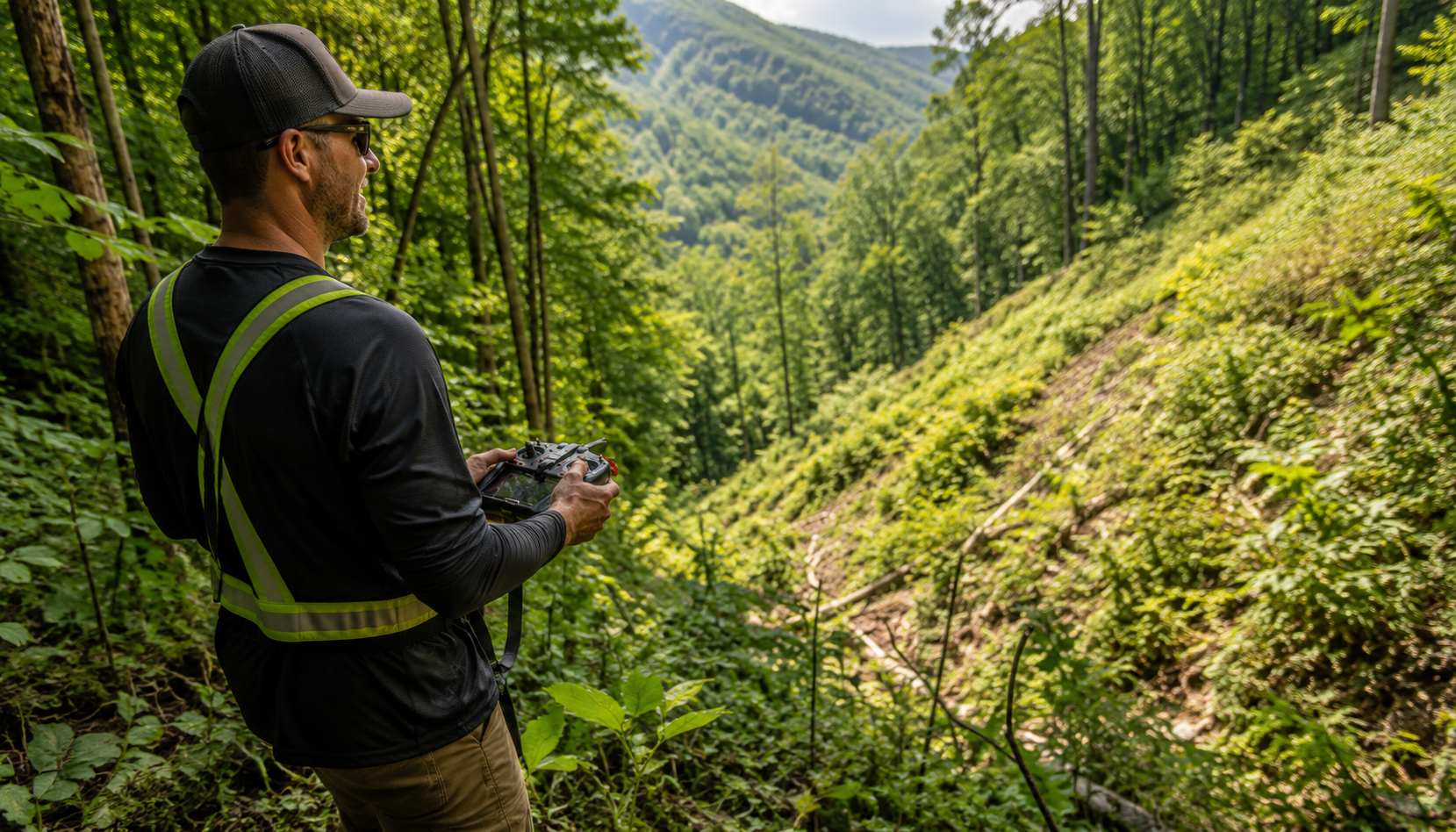
Describe how remote operation can reduce the need for an operator to ride or walk on the bank. Avoid guarantees of zero risk, lower insurance premiums or a fixed crew reduction. Traffic control, spotting and detail work may still require other workers.
Price for Margin, Not Just Machine Time
Include travel, loading, unloading, inspection, mowing, trimming, cleanup and support staff. Add fuel, wear, maintenance, overhead and the margin needed for a sustainable service. Use a paid trial or representative demonstration to refine the estimate when production is uncertain.
Read the slope mower ROI and payback guide to connect job pricing with equipment ownership. Extra capacity only creates revenue when suitable work is actually sold and delivered profitably.
Match the Model to Your Contract Mix
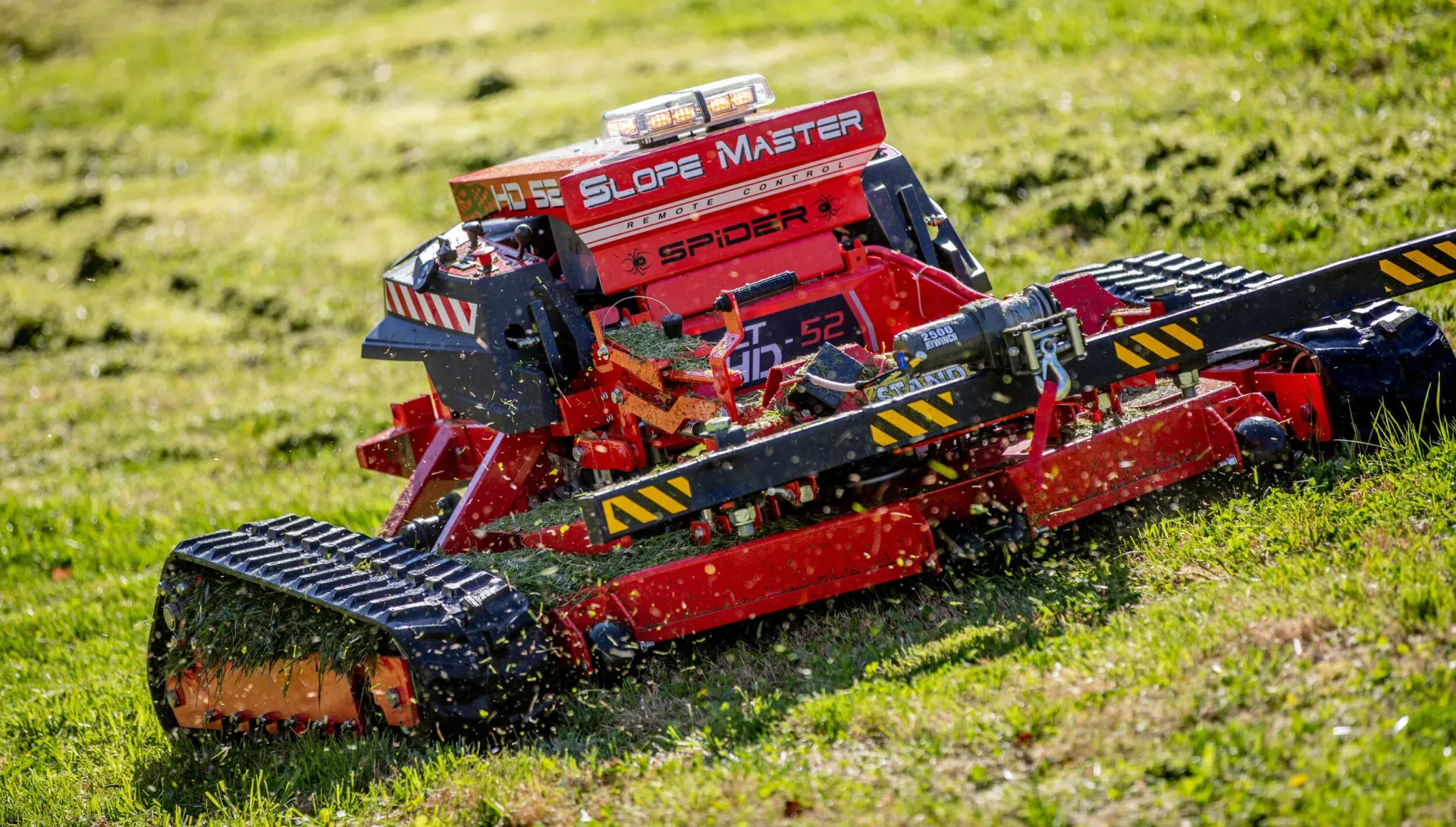
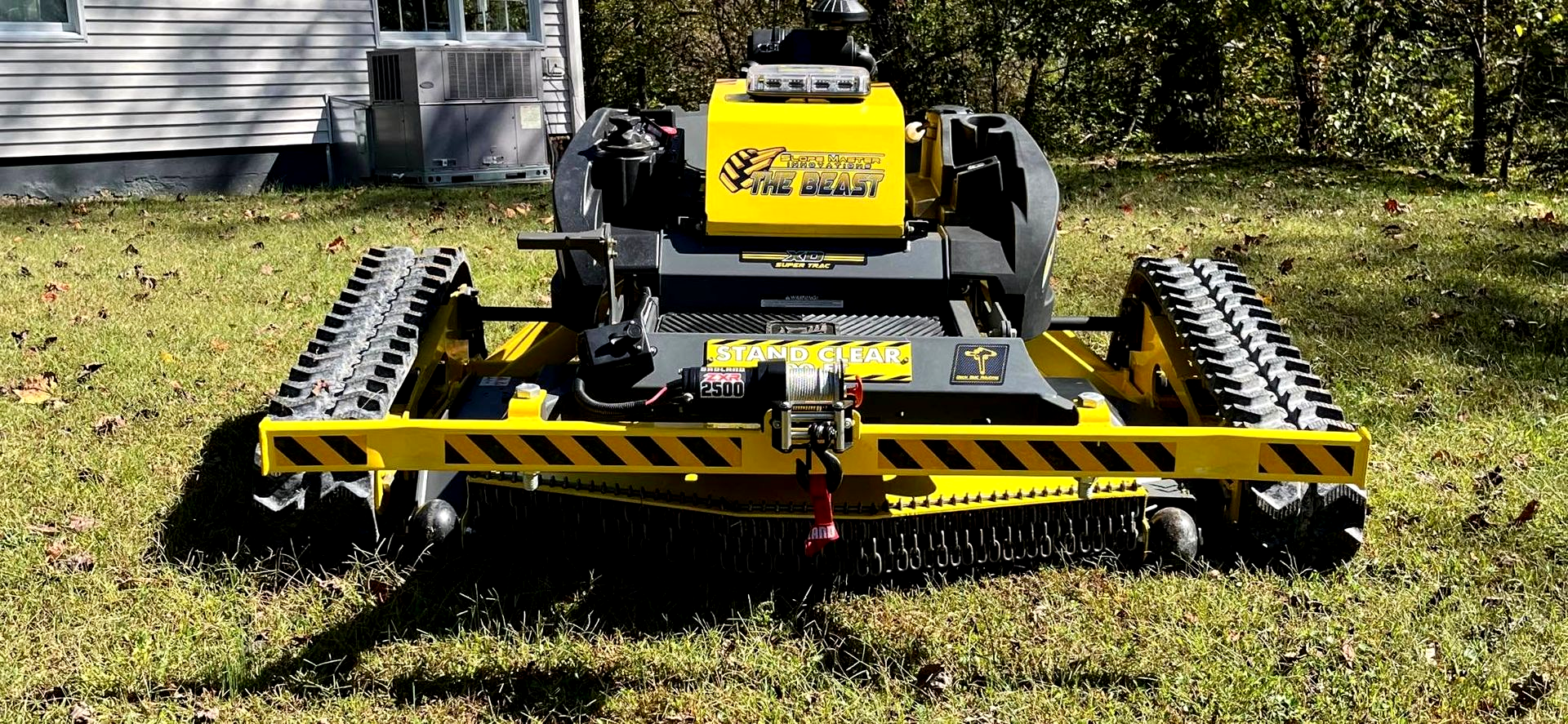
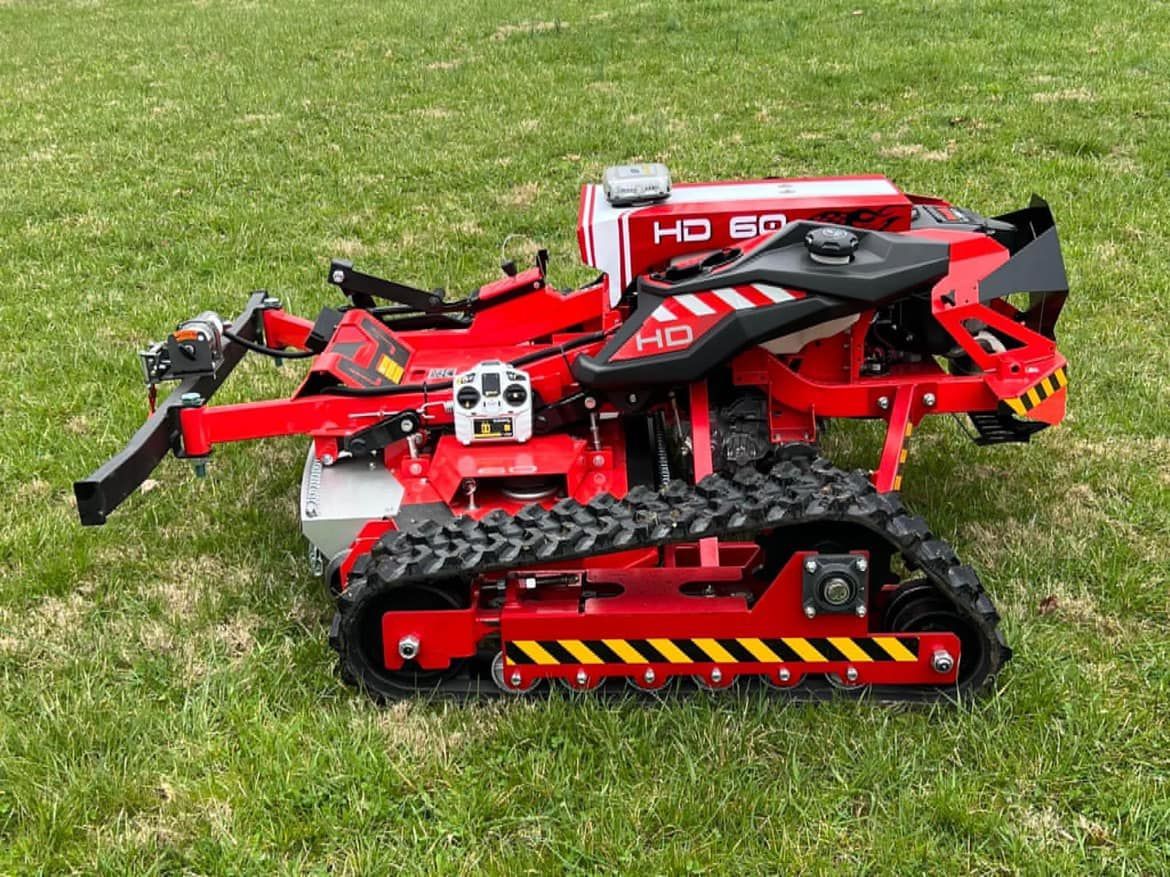
The Spider, Industrial Dual Cut and Beast currently list 52-, 60- and 61-inch finish cuts, respectively. Compare machine dimensions, transport weight, service needs and available options alongside cutting width.
Do not market a finish-cut mower as a forestry mulcher or assume a woody-stem cutting limit that the manufacturer has not confirmed. Share vegetation photos and the proposed scope with Slope Master before committing to demanding new work.
Earn the Renewal with Clear Reporting
After each visit, record the completed areas, photos, crew-hours, interruptions and any hazards or exceptions. Explain work that could not be completed and agree on the next step. A consistent record helps the buyer verify value and helps you improve future estimates.
What if a site changes? Reassess overgrowth, access and ground conditions before proceeding. Follow the agreed approval process for additional work instead of silently expanding the scope.
Should you promise premium pricing? No. Specialized equipment can support a differentiated service, but local demand, competition and actual job costs determine viable pricing.
Prepare for Your Next Slope Mowing Opportunity
Explore the Slope Master model lineup and request an equipment quote based on your contract mix. Call (606) 226-1004 with site photos, access dimensions and your expected workload.