
Slope Mower ROI: Costs, Savings and Simple Payback
Measure the return using your real workload and costs
Quick Answers
How do you calculate slope mower ROI? Compare verified annual operating savings and additional job contribution with the full cost of owning and operating the machine. Revenue alone is not profit.
What is simple payback? Divide the initial investment by the annual net cash benefit. A positive result depends on actual utilization, job pricing and operating costs.
Does one mower replace a fixed number of workers? No. Terrain, vegetation, transport, traffic control and detail trimming determine the crew required. Measure complete jobs rather than relying on universal labor-saving claims.
Reviewed and updated October 22, 2026.
Start with Your Current Cost per Completed Job
Choose recurring sites that represent the work you expect to perform. Record paid time for travel, loading, unloading, inspection, mowing, trimming and cleanup. Multiply crew size by hours to calculate total crew-hours, then apply your fully burdened hourly labor cost.
Include fuel, consumables, equipment wear, support vehicles, subcontractors and the cost of return visits. Compare the same area and finish standard under similar vegetation and ground conditions. A fast demonstration on short, dry grass is not a reliable forecast for every route.
Include the Complete Investment
Request a written equipment quote and separate one-time costs from recurring costs. Your budget may include:
- The mower, selected options, delivery and applicable taxes.
- Trailer or tow-vehicle changes, loading equipment and securement.
- Initial operator training, protective equipment and spare parts.
- Fuel, blades, tracks, service labor, repairs and storage.
- Financing charges, insurance changes and downtime coverage.
Keep the accounting method consistent. For simple cash payback, use the initial outlay and annual operating cash benefit. Do not also subtract depreciation as though it were a second cash payment for the same purchase. A financed purchase needs a separate cash-flow view that includes loan payments.
A Worked Example of Simple Payback
Illustration only—not a Slope Master price, customer result or earnings forecast. Assume a $50,000 initial investment, $18,000 in verified annual savings on existing jobs, $12,000 in added annual contribution from new work, and $5,000 in additional annual ownership and operating costs.
Annual net benefit:$18,000 + $12,000 − $5,000 = $25,000.
Simple payback:$50,000 ÷ $25,000 = 2 years. The annual net benefit equals 50% of the initial investment under these assumptions; that is not a complete lifetime investment return.
The $12,000 contribution must already account for the direct costs of delivering those new jobs. Avoid counting the same labor savings twice or treating spare capacity as sold work. If annual net benefit is zero or negative, this calculation does not produce a positive payback.
Test a Conservative Utilization Scenario
Repeat the calculation with fewer billable jobs, slower production, higher repairs and weather interruptions. If annual net benefit falls to $12,500 in the example above, simple payback becomes four years. This sensitivity check shows how strongly the purchase depends on utilization.
Contractors should use signed recurring work and realistic demand estimates. Public works departments can evaluate avoided outsourcing and service capacity, but staff time redeployed to other tasks is not always an immediate cash saving.
Choose Equipment That Matches the Work You Can Sell
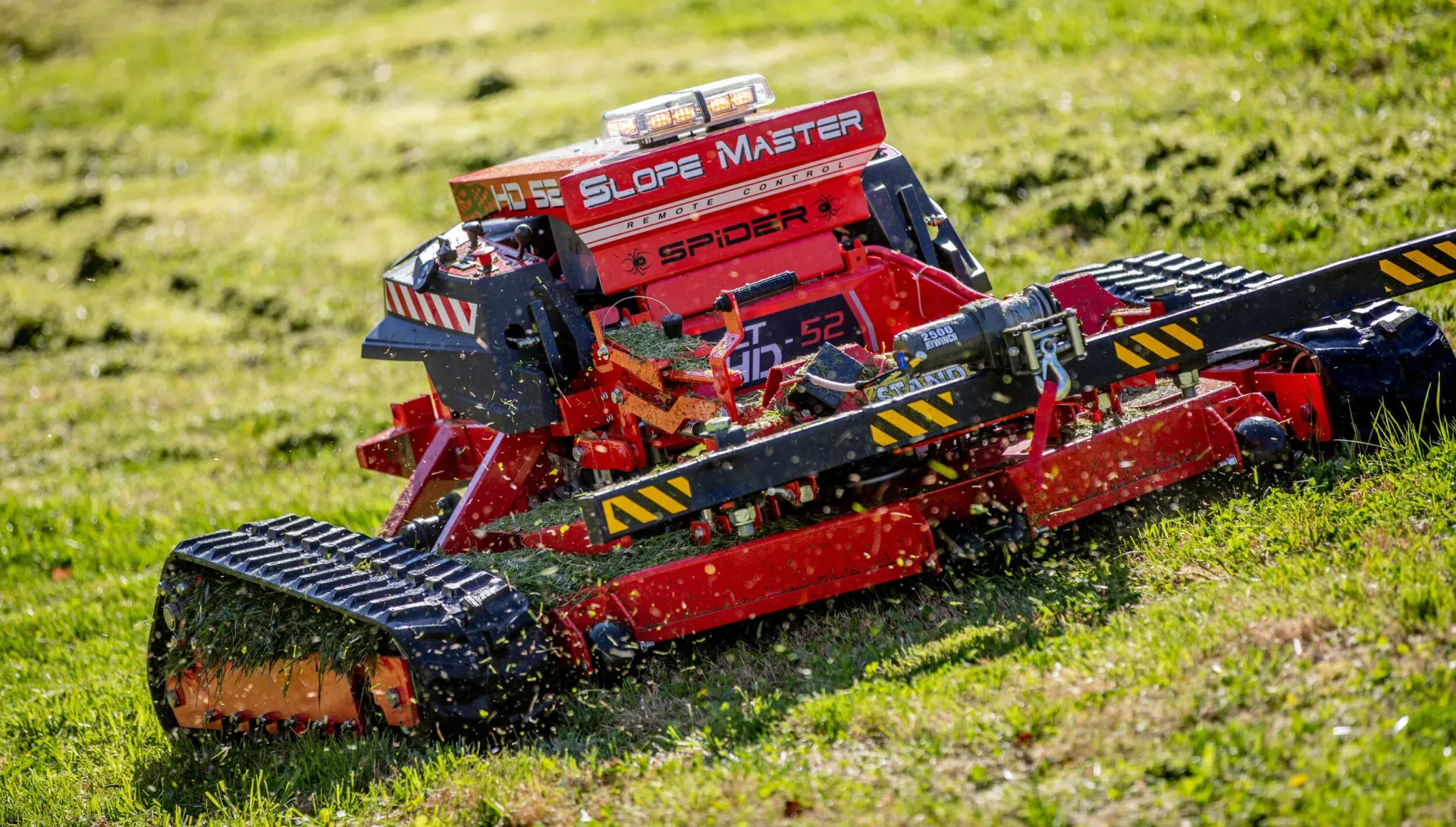
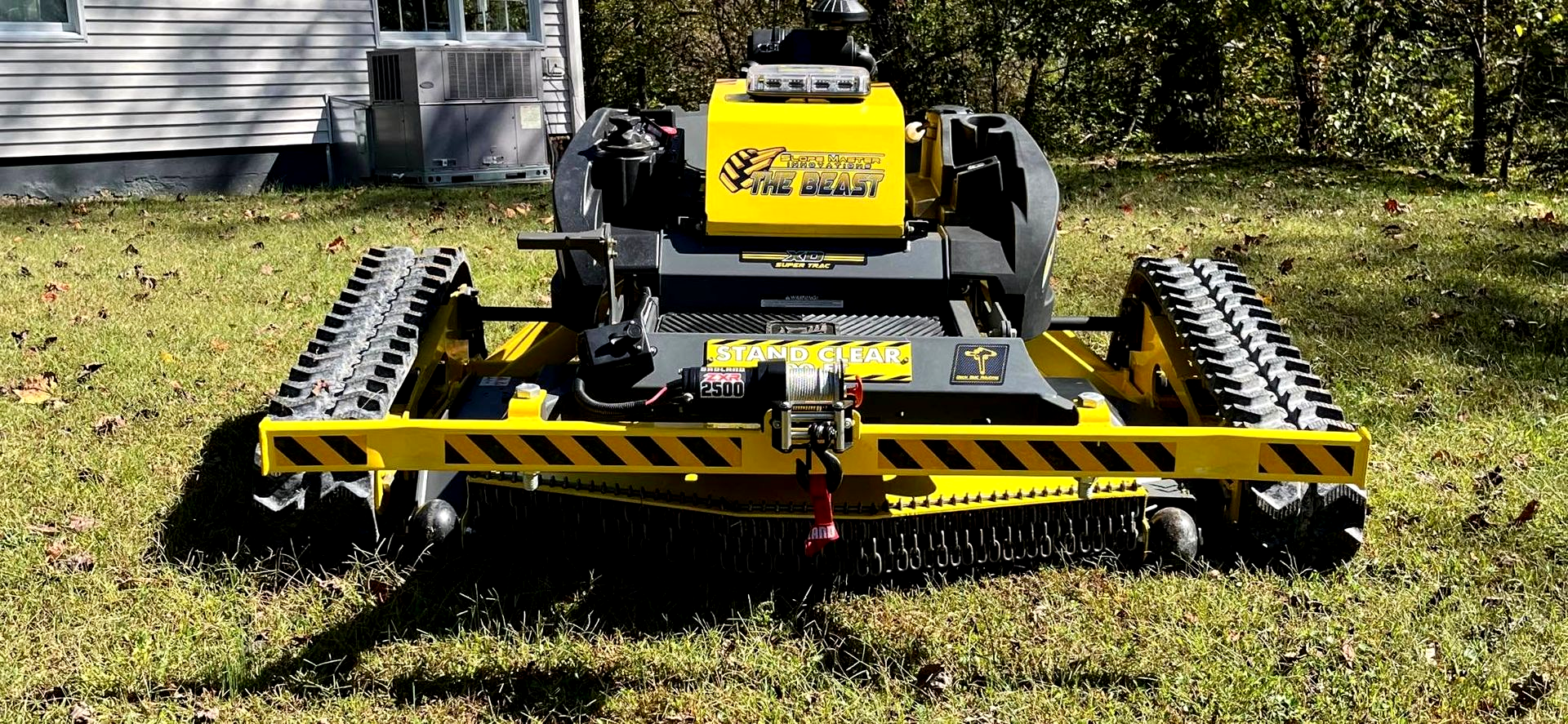
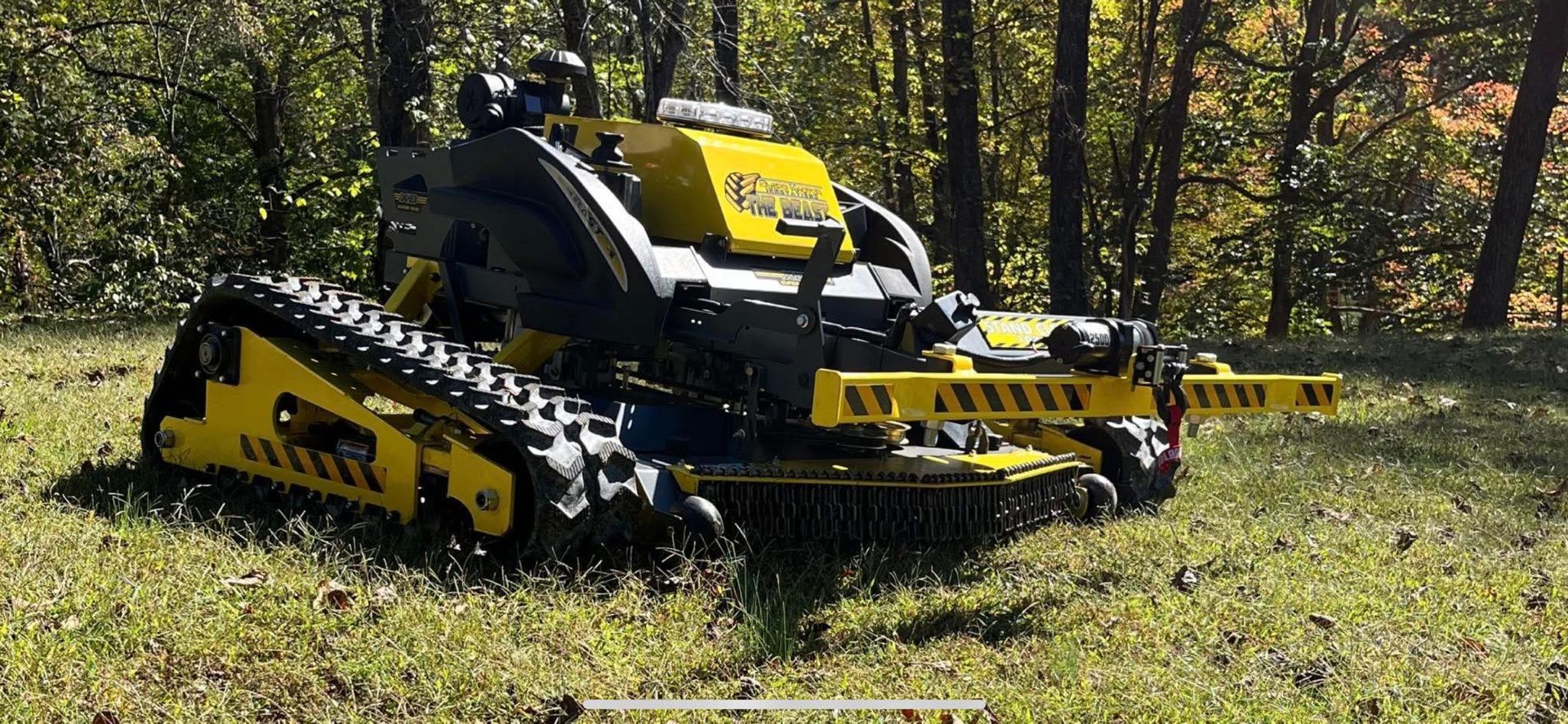
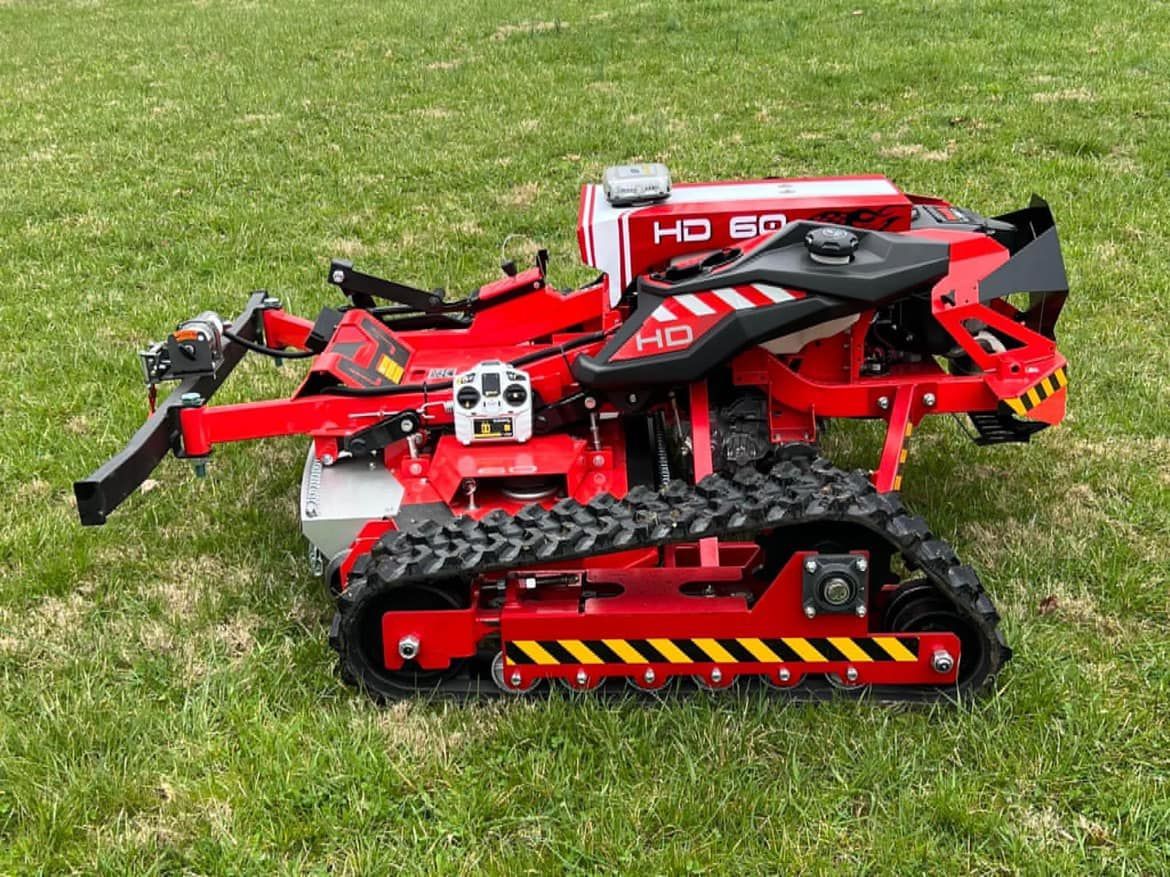
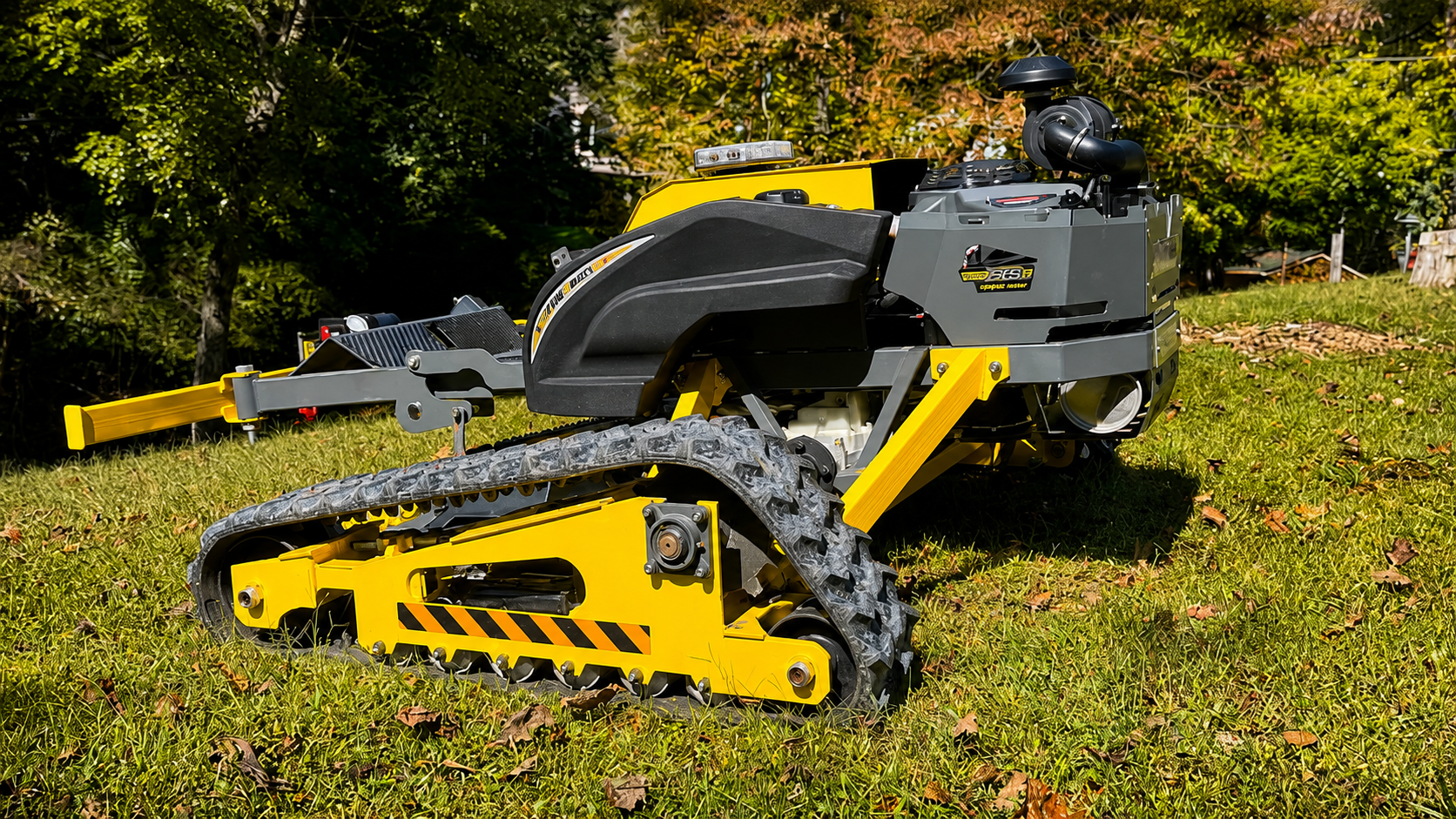
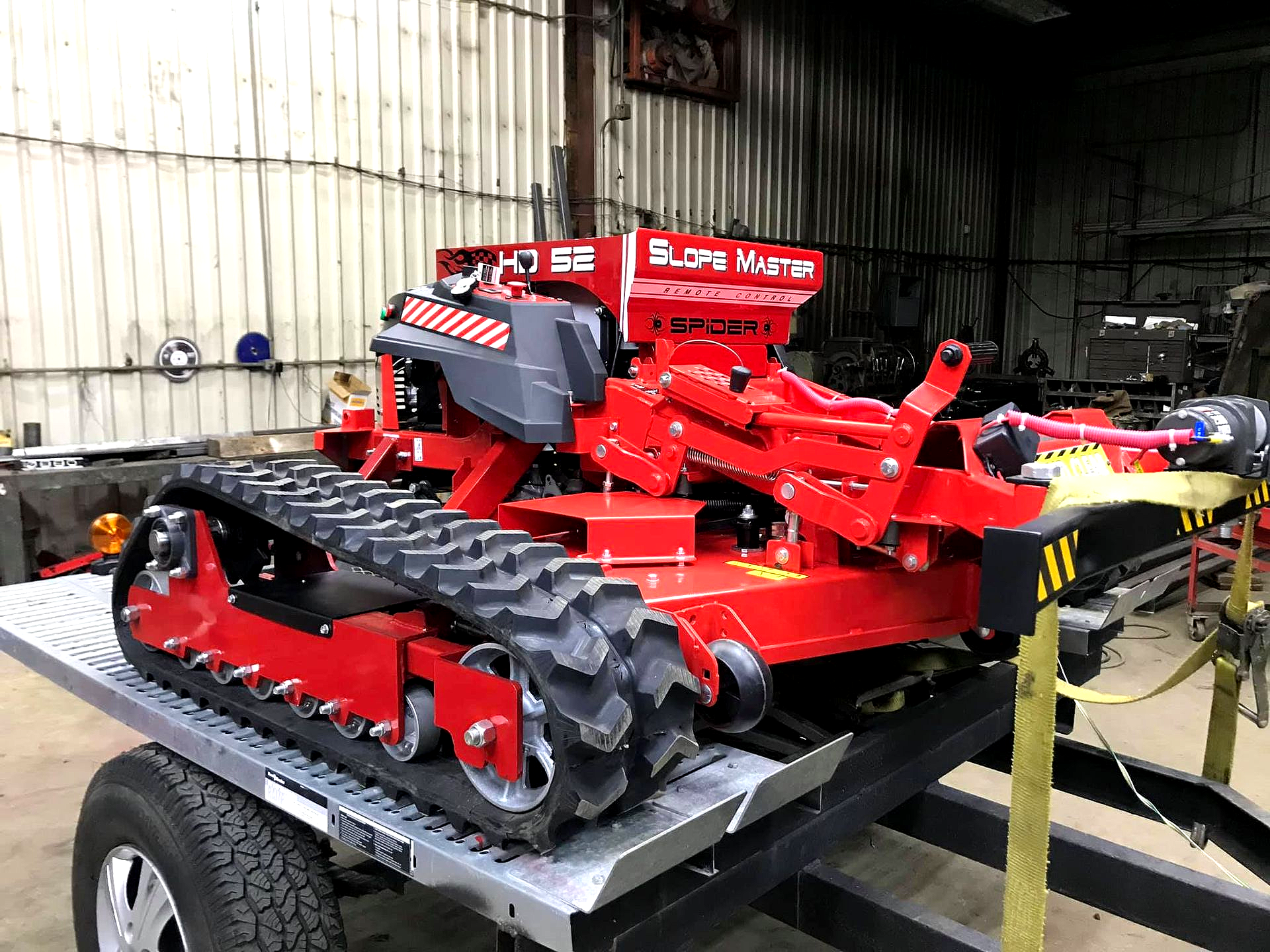
Slope Master Innovations offers The Spider with a 52-inch finish cut, The Industrial Dual Cut with a 60-inch finish cut, and The Beast with a 61-inch finish cut. Confirm current dimensions, weight, options and support arrangements before buying.
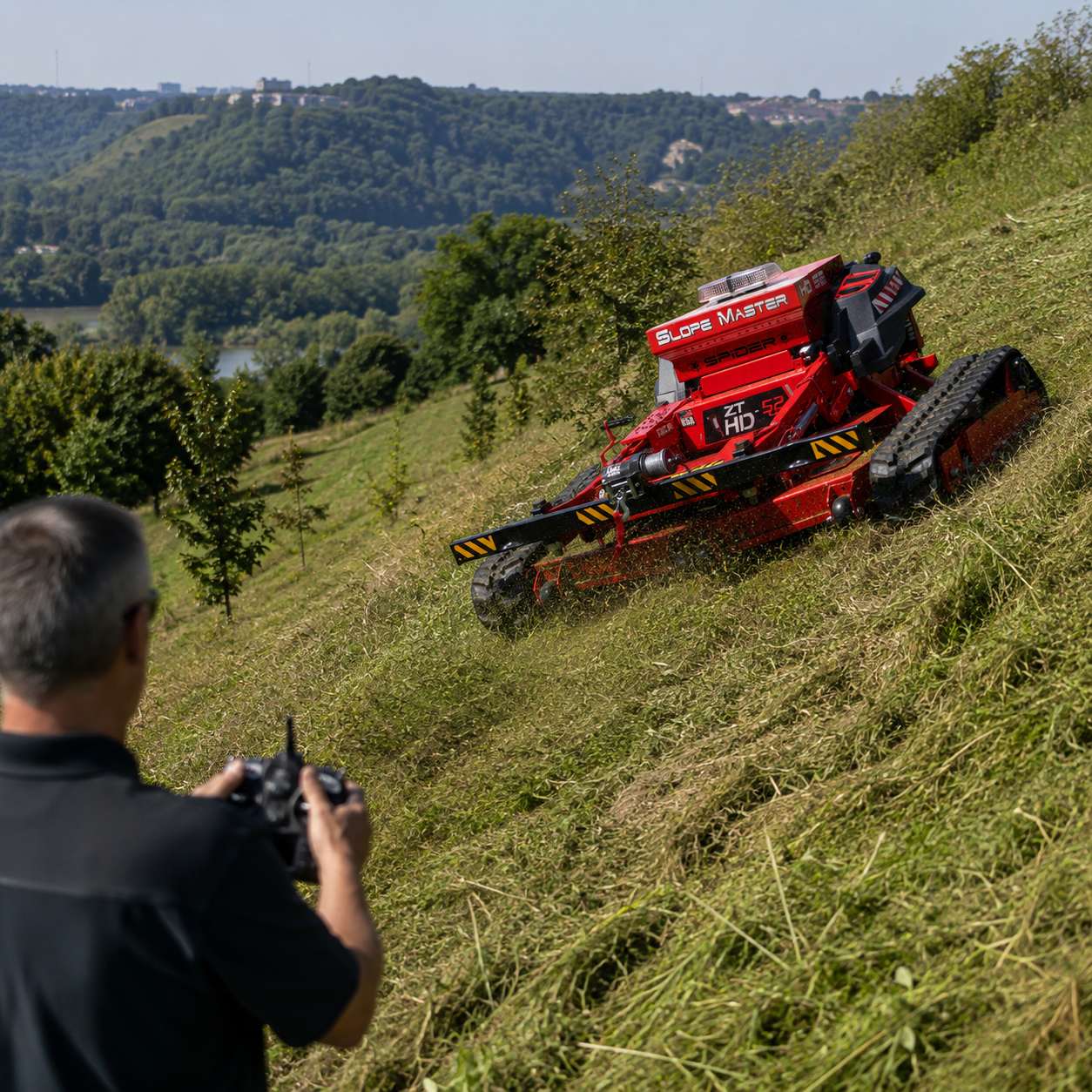
The company advertises slope capability up to 60 degrees. Suitability still depends on model instructions and site conditions. Do not build a revenue forecast around inaccessible sites, unstable ground or woody vegetation without confirming the machine’s approved application.
Compare current slope mower models using a demonstration on representative work. Cut width and listed travel speed alone do not establish acres per hour.
Protect Margin After the Purchase
- Document scope: define the mowable area, finish height, visit frequency, debris handling and access restrictions.
- Track complete job costs: include support labor, transport and trimming after each visit.
- Plan maintenance: budget wear items and service time before they become missed appointments.
- Review pricing: update estimates when vegetation, access or customer requirements change.
Read how to build stronger slope mowing proposals for practical ways to present your capabilities to buyers.
Common ROI Questions
Should insurance savings be included? Only use a reduction confirmed by your insurer. Remote operation does not eliminate equipment or jobsite risk.
Can a larger deck guarantee a better return? No. Gates, turning space, obstacles, transport and finish requirements can outweigh a wider cutting path.
What should I bring to a quote discussion? Your annual workload, site photos, measured slopes, access dimensions, vegetation description, transport limits and current job costs.
Build a Quote Around Your Actual Workload
Contact Slope Master Innovations or call (606) 226-1004 to discuss model fit, options and current pricing. Use that written quote with your operating records to evaluate the investment.