

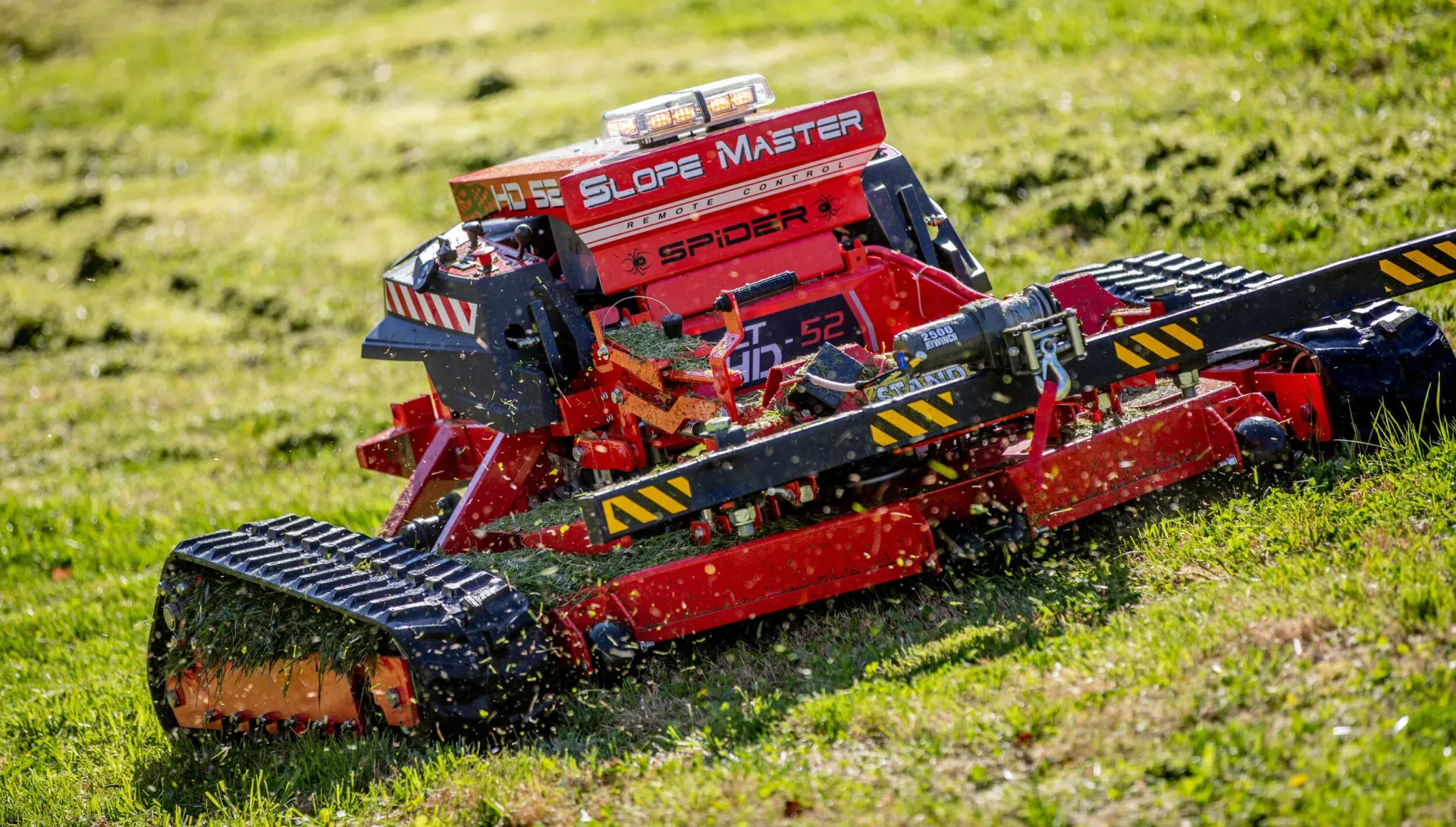
50° vs. 60° Slope Mowers: What the Difference Means for Your Property

Brandon Keen • October 22, 2026

Understand the numbers before choosing equipment for your steepest ground.

Quick Answers

  • What is the advertised difference? Slope Master Innovations offers commercial slope mowers with capability up to 60°. RC Mowers advertises 50° capability for its REAPER models. The applicable model, configuration, and operating instructions matter.
  • Is 60° the same as a 60% grade? No. A 60° slope is approximately a 173% grade. Degrees and percent grade measure steepness differently.
  • Does a higher rating make every job suitable? No. Ground stability, traction, obstacles, visibility, and manufacturer restrictions still determine whether a particular area can be mowed.

A property can look manageable until one steep bank interrupts the mowing route. That section may require a separate crew, a different machine, or a different maintenance plan. For contractors and property managers, understanding a slope mower's operating range helps identify which equipment deserves a closer look.

The difference between 50° and 60° can matter when evaluating demanding terrain. To make a useful comparison, connect the advertised number to your actual property and the manufacturer's instructions.

What the 50° and 60° Ratings Tell You

Slope Master's Spider is described as designed for grades up to 60°, and our model lineup also identifies up-to-60° capability for The Beast. RC Mowers' REAPER product page advertises 50° operation in any direction without a winch. These are the manufacturers' published claims reviewed in October 2026.

Those descriptions do not establish identical test conditions. Before comparing machines, request the operating limits for the exact model and configuration being quoted. Ask which travel directions the rating covers, which surface conditions are required, and whether assistance or additional equipment is involved.

A recovery winch and a slope rating also answer different questions. The presence of a winch does not automatically increase an operating limit or establish how a machine should be used on a particular bank.

Degrees and Percent Grade Are Different Measurements

Degrees describe the angle above horizontal. Percent grade describes vertical rise divided by horizontal run, multiplied by 100. The conversion is nonlinear, so an extra ten degrees does not mean an extra ten percentage points of grade.

  • 45°: approximately 100% grade.
  • 50°: approximately 119% grade.
  • 60°: approximately 173% grade.
  • 60% grade: approximately 31°, considerably less steep than 60°.

These figures explain the terminology; they are not operating recommendations. Make sure a site survey, bid document, and equipment specification use the same units. If an estimate simply says “60 slope,” clarify it before making a purchasing decision.

Evaluate the Whole Mowing Route

The steepest section is only part of the assessment. A machine must also fit through the access point, reach the work area, navigate approved transitions, and leave without creating a recovery problem. A short obstruction or narrow approach can affect the job more than the average hillside angle.

Prepare a site description that includes:

  • The measured slope range and the location of unusually steep sections.
  • Gate widths, turning areas, unloading space, and transport access.
  • Vegetation type, maintenance history, and the desired finished appearance.
  • Visible drainage channels, ruts, exposed rocks, stumps, and drop-offs.
  • Areas affected by moisture, unstable soil, or limited operator visibility.

Obtain measurements without entering hazardous terrain. A qualified site assessment is more useful than estimating steepness from a photograph. Share photos and plans with the equipment manufacturer to begin the discussion.

Consider What Happens to Work Outside the Equipment's Limits

Suppose a property has several maintainable areas and one bank beyond a candidate machine's approved operating conditions. Your plan still needs a solution for that bank. Compare the cost and coordination of separate maintenance with the suitability of a different machine.

A higher-capability mower may expand the areas your organization can evaluate for mechanized maintenance. It does not guarantee that every difficult section becomes mowable. Ask for a realistic assessment of excluded areas before assigning labor savings or anticipated revenue to the purchase.

Compare the Work Result as Well as the Rating

Check cutting suitability, access, transport requirements, maintenance needs, and support alongside slope capability. A machine that meets the angle requirement still needs to produce the finish your customer expects. Our commercial slope mower specification guide provides additional purchasing questions.

For a demonstration, ask the manufacturer to select a suitable representative area and explain the approved operating setup. Record the conditions, equipment configuration, completed work, and any limitations. That gives your team something concrete to compare.

Discuss Your Terrain With Slope Master

Slope Master Innovations builds commercial remote-controlled slope mowers in Kentucky for demanding applications across the USA. If your property includes steep banks, send us the terrain details, vegetation information, and access requirements.

Request a model recommendation and quote, or call or text (606) 226-1004. We can discuss how our up-to-60° capability applies to your project and which operating requirements need to be confirmed before work begins.

Share this article:

Recent Posts

The Spider remote-controlled slope mower by Slope Master Innovations.
By Brandon Keen • October 22, 2026
Plan retention pond bank mowing with a practical checklist covering access, vegetation, ground conditions, equipment selection, and maintenance scope.
Slope Master mower at a grassy jobsite.
By Brandon Keen • October 22, 2026
Build a steep-slope mowing estimate that covers labor, equipment, access, cleanup, overhead, and profit—with a practical example for contractors.
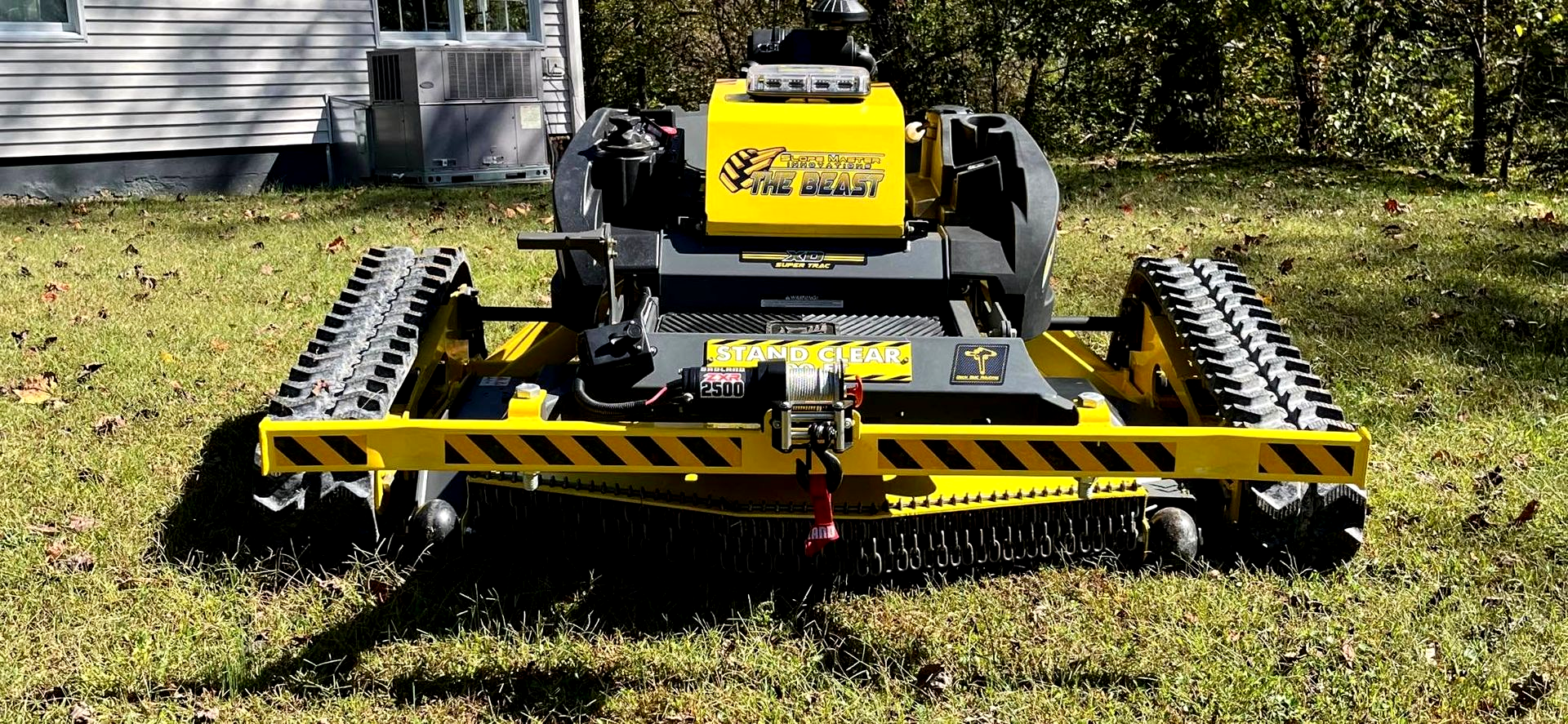
Yellow tracked slope mower on a grassy property.
By Brandon Keen • October 22, 2026
Build a public works slope mower proposal with documented workload, ownership costs, staffing needs, evaluation criteria, and measurable outcomes.
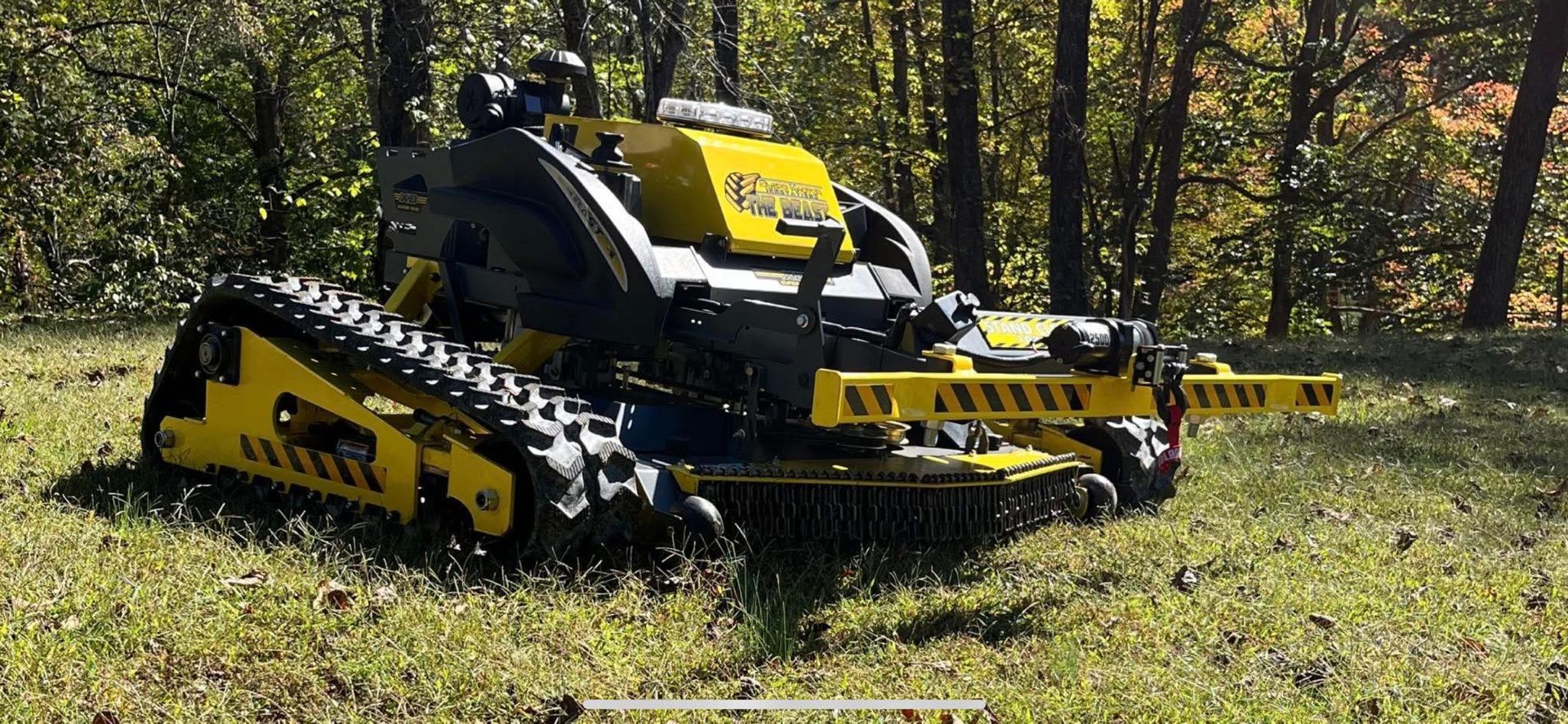
The Beast remote-controlled slope mower by Slope Master Innovations.
By Brandon Keen • October 22, 2026
Compare finish mowing and brush cutting on slopes. Match vegetation, cutting limits, site access, and desired results to the right mower configuration.
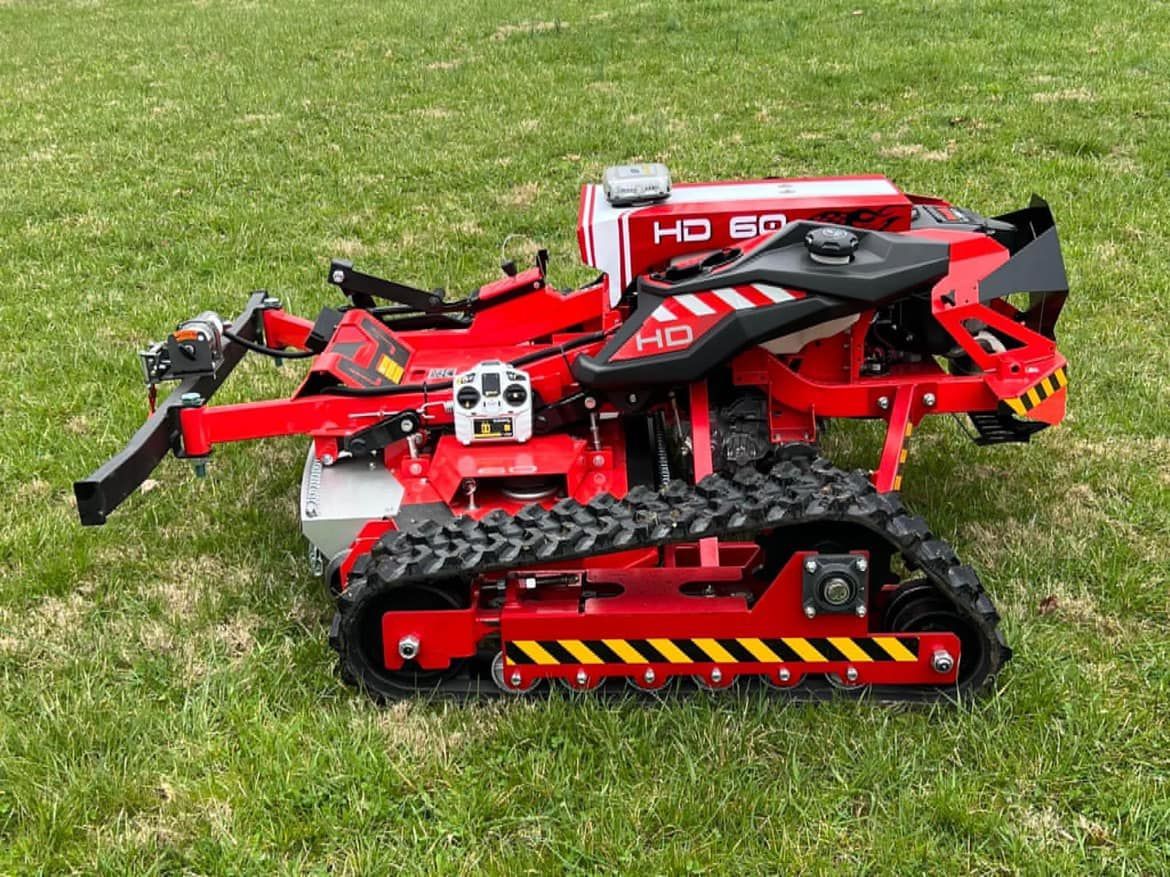
Red tracked Slope Master mower on grass.
By Brandon Keen • October 22, 2026
Plan utility right-of-way mowing around steep terrain, access restrictions, vegetation, infrastructure, and clear work limits before choosing equipment.
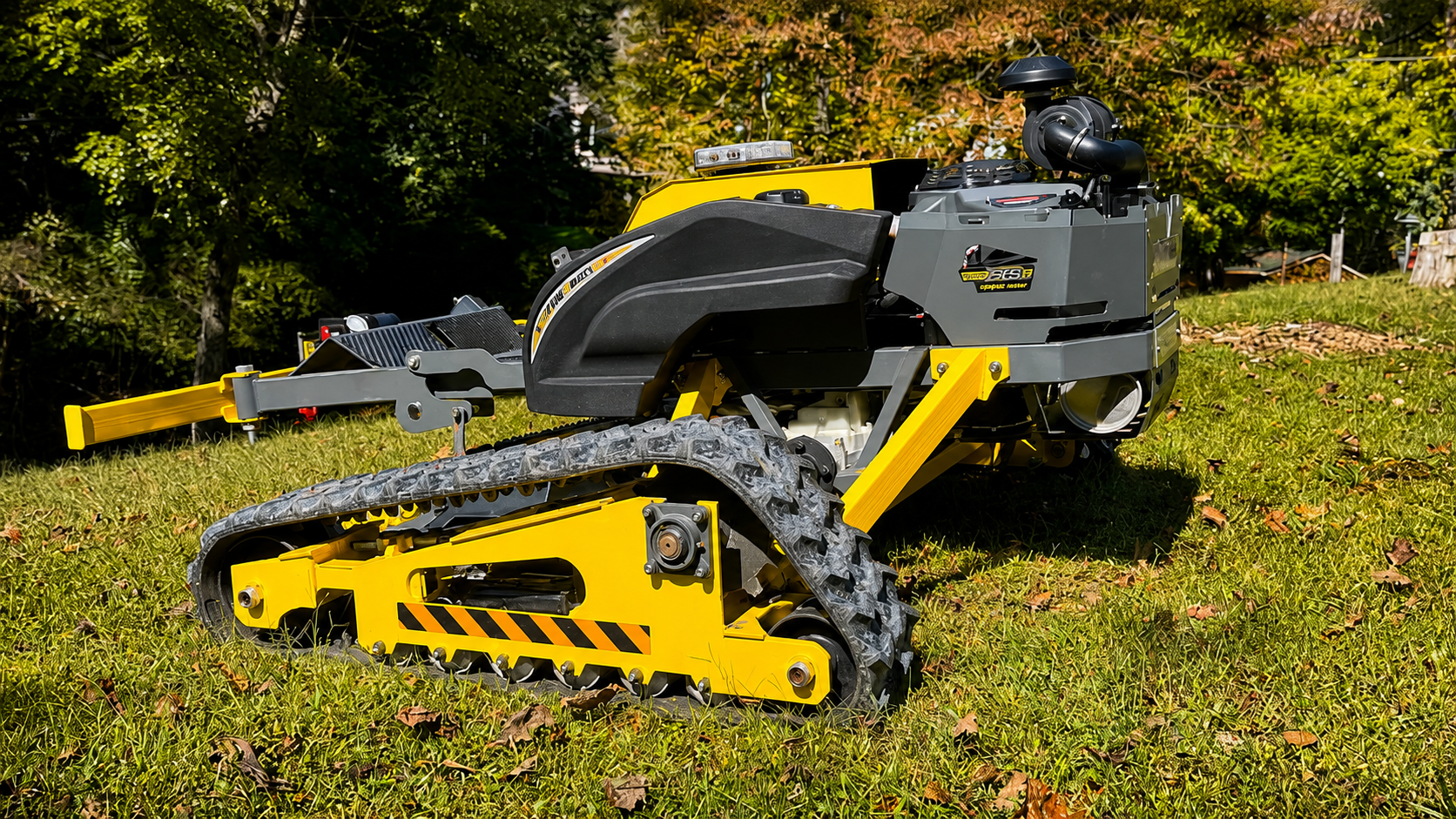
Yellow-and-black tracked mini excavator on grass, with arm extended in a wooded outdoor area
By Brandon Keen • August 14, 2026
Compare 10 specifications that define a commercial-grade slope mower, including construction, traction, engine, safety, parts, warranty, and support.
Red Slope Master Spider riding mower on a grassy roadside with a wooded background
By Brandon Keen • August 14, 2026
Compare remote-controlled and robotic slope mowers. Learn which commercial mowing equipment is built for steep hills, rough terrain, and professional use.
Hiker with drone controller overlooking a lush green mountain valley and forest trail
By Brandon Keen • July 23, 2026
Can you safely mow a 45-degree slope? Learn the 12 questions every commercial slope mower buyer should ask before investing in new equipment.
Red tracked robot on grass with black arms and hazard-striped front attachment
By Brandon Keen • July 1, 2026
Discover 12 profitable commercial applications for remote-controlled slope mowers and learn how they improve safety, productivity, and business growth.
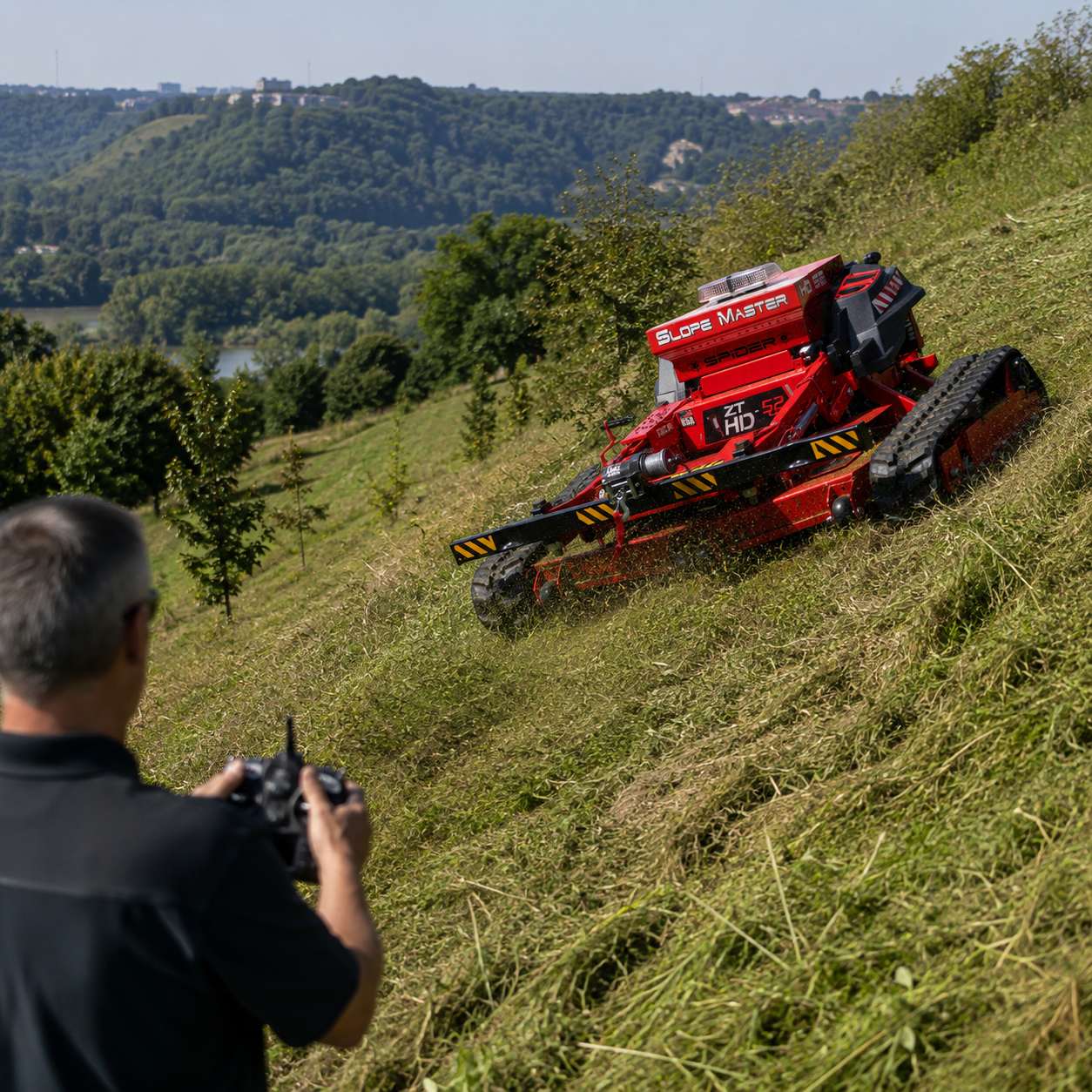
Commercial remote-controlled slope mower working on a steep green hill.
By Brandon Keen • May 22, 2026
Discover how a commercial remote-controlled slope mower replaces 12-18 workers, ensuring maximum safety and efficiency on steep terrain and highway embankments.

Show More