
How to Price a Steep-Slope Mowing Job Without Underbidding
Build the estimate around the complete job, including the work that happens before the blades start.
Quick Answers
- Should steep-slope mowing be priced by the acre? Acreage can help describe the job, but the estimate should reflect actual labor, equipment use, access, vegetation, and the required finish.
- What gets missed most easily? Loading, travel, inspections, setup, trimming, cleanup, and weather-related scheduling constraints.
- How should you protect profit? Define the scope, calculate a complete cost base, and apply a consistent pricing method. Track actual results after the work.
A slope mowing project can look profitable when the estimate counts only cutting time. The problem appears after the crew loads the trailer, drives to the property, waits for gate access, removes debris, and finishes the trimming around drainage structures.
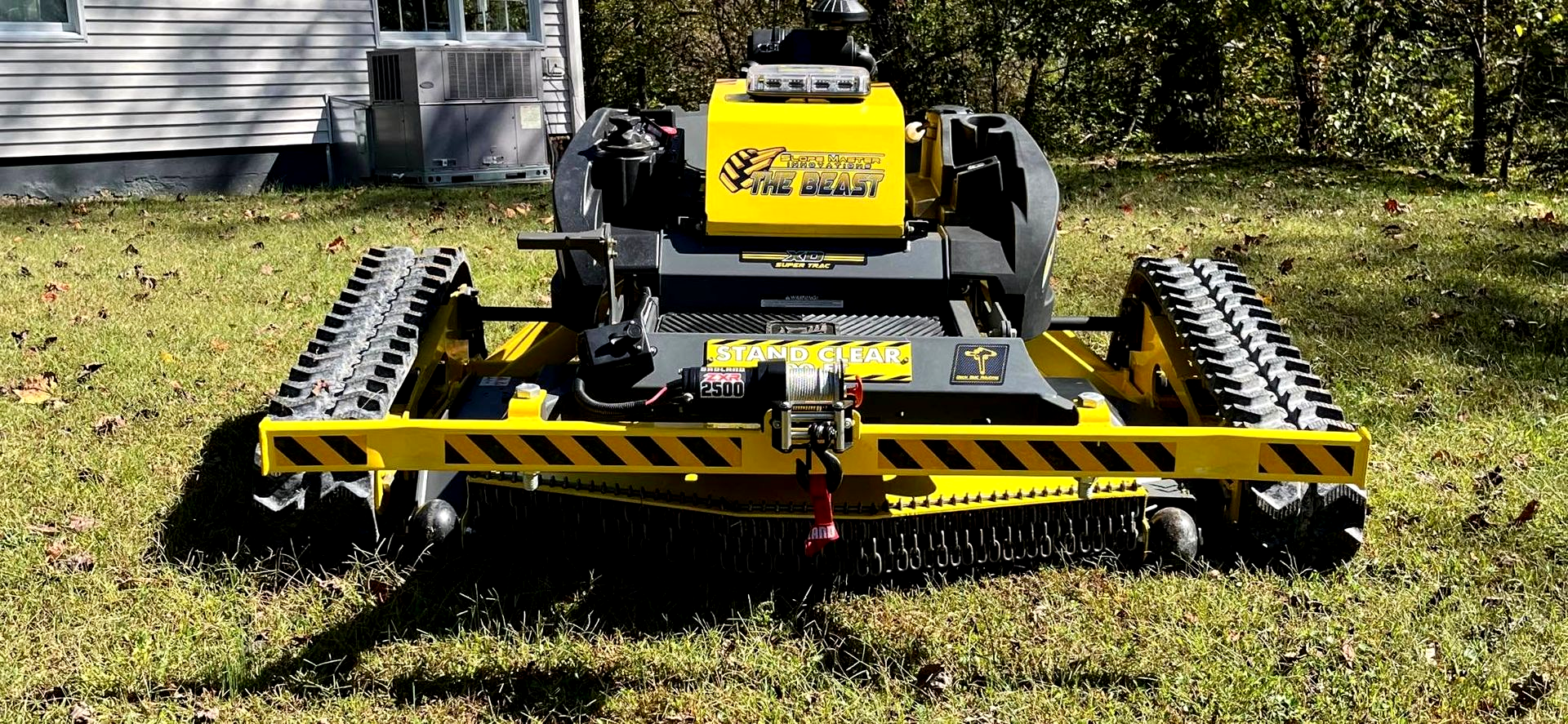
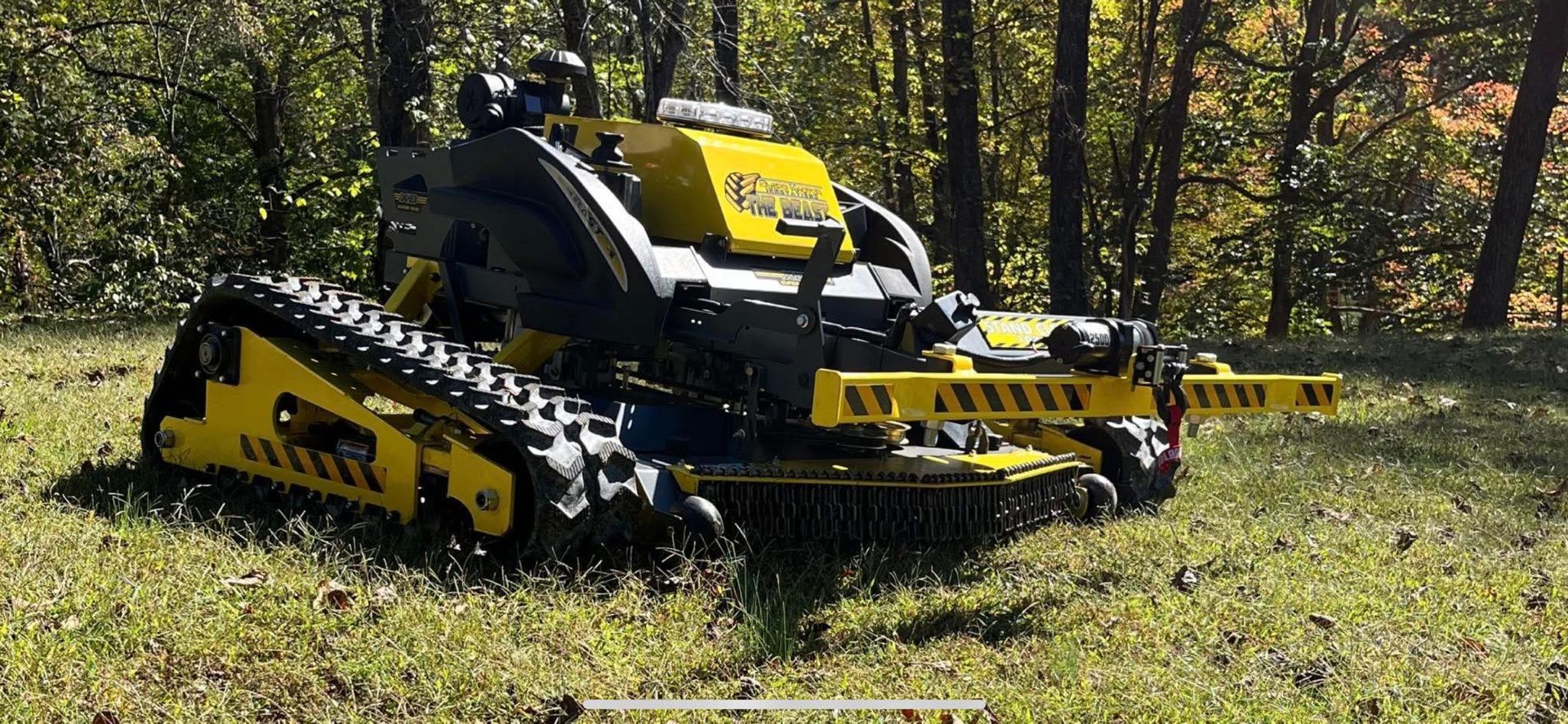
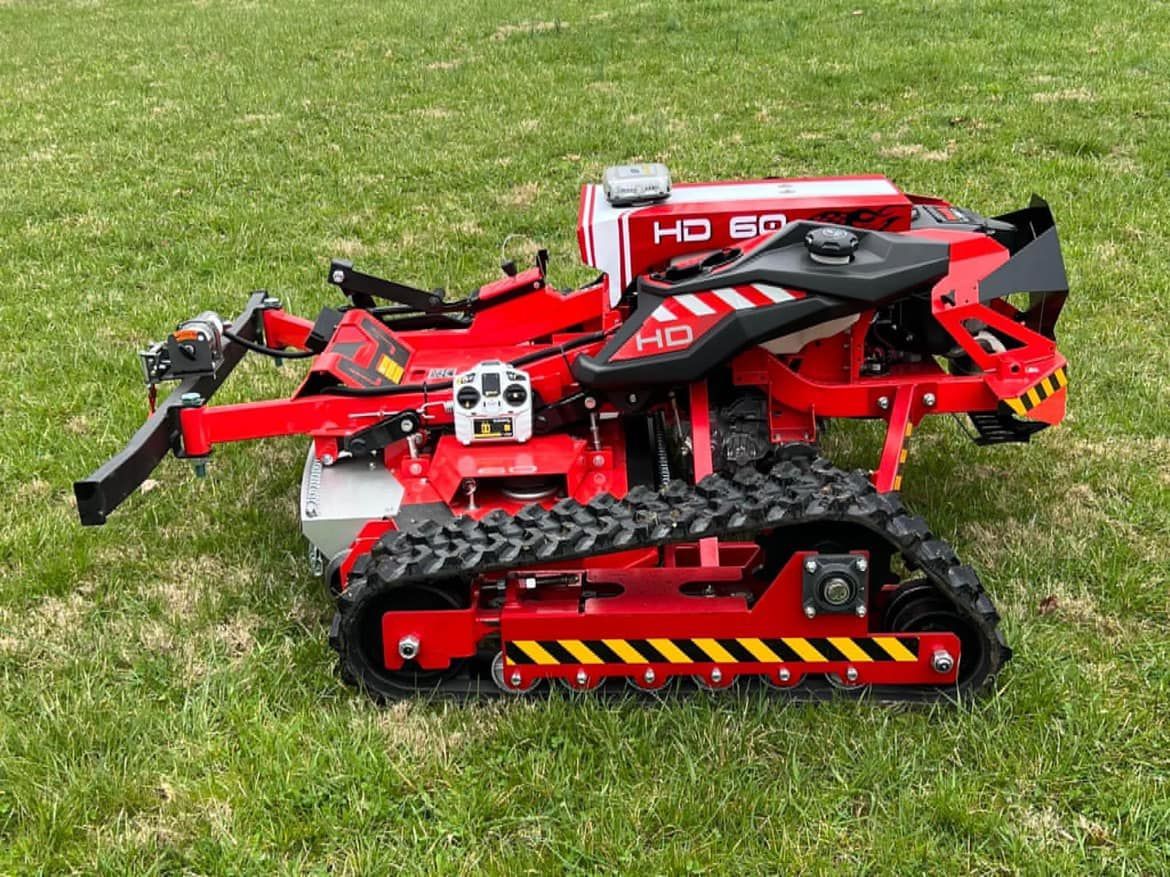
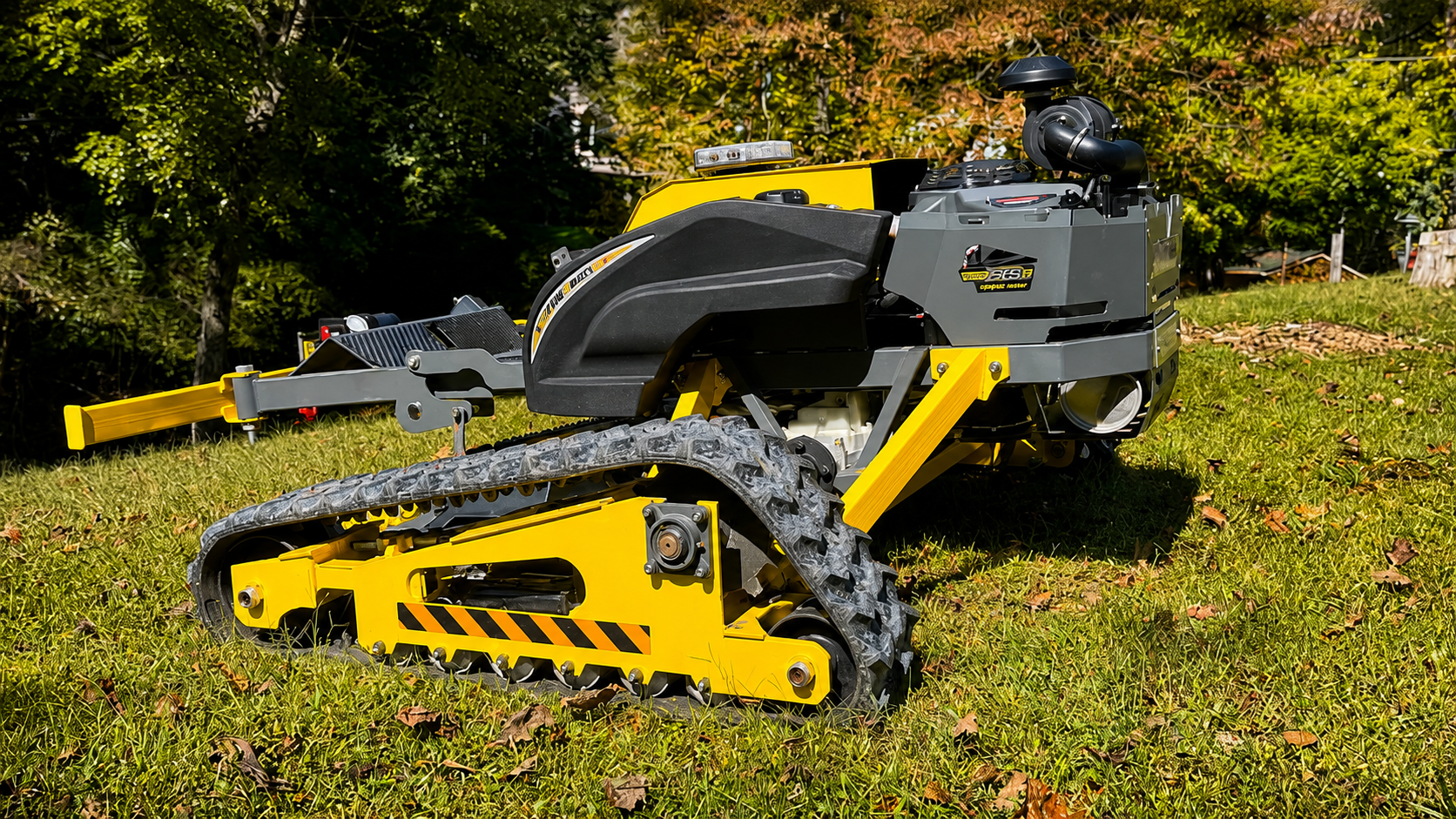
The goal is a price that reflects the complete service. Commercial remote-controlled equipment can change how you perform the work, but a better machine does not eliminate the need for a disciplined estimate.
1. Define Exactly What the Customer Is Buying
Walk through the scope with the property manager before calculating a price. Establish the mowing boundary, desired finish, growth conditions, clipping expectations, cleanup requirements, and work that will require separate approval.
Clarify whether the proposal covers an initial overgrown area or repeat maintenance after that first visit. Woody growth, unfamiliar debris, or vegetation outside the equipment's approved capability may require another service. A vague promise to “clear the hillside” creates unnecessary disagreement.
Photographs and a marked site map can make the written scope easier to understand. Identify excluded or inaccessible areas rather than quietly assuming they will be handled within the mowing price.
2. Estimate the Complete Crew Schedule
Break the visit into activities: loading, travel, unloading, site assessment, setup, mowing, detail work, cleanup, and return travel. Account for required support personnel and site controls as well as the mower operator.
Use observed performance on comparable jobs when available. A manufacturer's maximum travel speed is not a mowing production rate. Turning, obstacles, vegetation, visibility, and the required finish all affect completed work per hour.
For an unfamiliar site, document your assumptions and include a reasonable allowance for the uncertainty you have identified. Uncertainty about whether work can be performed safely should be resolved before accepting the scope.
3. Build an Equipment Cost That Reflects Ownership
Fuel is only one equipment expense. Your internal hourly allowance should also consider routine service, wear parts, repairs, depreciation or ownership cost, and the expected number of productive hours. Use a consistent method so the same cost is not counted twice.
Allocate truck and trailer costs separately if they are not already included elsewhere. Add any job-specific rental, disposal, or access expenses. Your accountant can help structure the internal cost categories; the customer-facing quote can remain simple.
Our article on the ROI of remote-controlled slope mowers provides broader context for evaluating an equipment investment.
4. Add Overhead and a Clearly Defined Margin
Office time, insurance, estimating, scheduling, and other business expenses still need to be recovered. Include an appropriate allocation in the cost base before applying your pricing target.
Illustrative example only: The following figures demonstrate a calculation. They are not Slope Master pricing, a regional market rate, or a promise of job profitability.
- Labor: 8 total crew-hours at a fully burdened $40 per hour = $320 .
- Mower use: 4 operating hours at an internal $45 allowance = $180 .
- Truck and trailer allocation = $100 .
- Cleanup and supplies = $50 .
- Allocated overhead and identified contingency = $150 .
- Total estimated cost base = $800 .
To price this example with a 25% margin over that cost base, divide $800 by 0.75. The result is approximately $1,067 , before any applicable taxes. Adding 25% to $800 would produce a $1,000 price and a 20% margin. Markup and margin are different calculations.
Replace every assumption with your own costs and production records. The example's crew-hours and machine-hours represent different measures; a multi-person crew can accumulate several labor hours during one elapsed hour.
5. Price First Visits and Repeat Visits Separately
The first visit may involve heavier growth, additional assessment, and more cleanup. After the property is brought into the agreed condition, recurring visits may have a different workload. Quote those phases clearly.
Document what happens if the customer skips visits or the site changes. Include a process for approving extra work, such as unexpected debris removal. Explain postponement arrangements and access responsibilities so the crew does not repeatedly lose paid time waiting at a locked gate.
6. Compare the Estimate With the Finished Job
Record actual labor, machine time, travel, cleanup, and completed area. Note the factors that changed the result. Over several projects, those records create a useful estimating history specific to your equipment and customers.
Use that information when pursuing new slope mowing contracts. Competitive pricing depends on knowing what your operation can deliver consistently.
Choose Equipment Around the Work You Plan to Sell
Bring Slope Master your typical terrain, access restrictions, vegetation, and expected workload. Our team can discuss model options that fit the service you want to provide.
Request a quote, or call or text (606) 226-1004 to start the equipment conversation.