
Buying a Slope Mower for Public Works: How to Build the Budget Proposal
Turn a difficult mowing workload into a clear, documented equipment request.
Quick Answers
- What should a public works proposal include? The current workload, operational problem, equipment requirements, total ownership costs, staffing plan, and a method for measuring results.
- Can every hour saved be counted as budget savings? No. Reassigned staff time creates useful capacity, but it is different from an actual reduction in spending.
- What strengthens the request? Site records, comparable alternatives, an itemized quote, and a representative evaluation with documented assumptions.
A department may know exactly which banks consume its maintenance schedule. Getting an equipment request approved requires translating that experience into information other decision-makers can evaluate.
A strong slope mower proposal explains the operational need, the expected benefit, and the resources required after purchase. It should also acknowledge the areas the equipment will not address. That makes the request easier to assess and the results easier to measure.
Document the Workload Before Selecting a Machine
Create an inventory of the locations that prompted the request. Include approximate maintainable area, visit frequency, vegetation, access constraints, and the maintenance method currently used. Add site photos and identify sections that need a professional terrain assessment.
Use work orders, crew logs, and contractor invoices to describe the baseline. Record total crew-hours rather than simply the elapsed duration of a visit. Separate mowing from travel, setup, litter removal, and other tasks that will still be required.
A useful problem statement might read: “The department maintains these identified embankments each growing season, using this number of crew-hours and this amount of outside contracting.” Replace general claims about inefficiency with the department's own records.
Define the Outcome the Department Needs
Explain what success would look like. Possible goals include completing planned visits more consistently, reducing dependence on hand trimming in suitable areas, improving access to the maintenance backlog, or reallocating staff to other necessary work.
Safety-related objectives should describe reduced exposure and improved work planning. Do not promise an injury-free operation or assign speculative dollar savings to avoided incidents. Training, site assessment, and supervision remain part of the plan.
Our overview of government and municipal applications can help identify where commercial remote-controlled mowing belongs in the equipment discussion.
Build Requirements Around the Sites
Write a practical evaluation checklist based on the work:
- Suitable operating capability for the assessed terrain and conditions.
- Cutting system and vegetation limits appropriate to the required finish.
- Overall dimensions compatible with gates, routes, and storage.
- Transport weight and loading requirements compatible with department resources.
- Operator controls, emergency stopping provisions, and training requirements.
- Maintenance access, replacement parts, warranty terms, and support.
Ask suppliers to explain how the quoted configuration meets those needs. A maximum slope rating should be supported by model-specific operating information. Our commercial specification guide offers additional questions for the evaluation.
Compare the Complete Cost of Each Alternative
Consider continued use of the current method, contracted maintenance, and equipment ownership. Keep the assumed scope and maintenance frequency consistent across the comparison. If one alternative leaves certain areas untreated, show how those areas would be handled.
For an equipment purchase, collect itemized estimates for the mower, selected options, delivery, training, transport changes, and initial supplies. Add projected operating expenses, scheduled maintenance, wear parts, repair allowances, storage, and any continuing outside services.
Distinguish one-time purchase costs from recurring annual expenses. If financing is being considered, have the finance team evaluate the terms and budget treatment. Do not assume a procurement contract, funding program, or vendor eligibility without verifying it through the department's process.
Separate Staff Capacity From Cash Savings
Illustrative workload example: Suppose existing records show four employees spending six hours each on a maintenance visit. That is 24 crew-hours. A representative evaluation might suggest a future plan using two employees for five hours each, or 10 crew-hours, to complete the same defined scope.
The potential difference is 14 crew-hours per visit. Across 12 equivalent visits, that would be 168 crew-hours available for other work. Those figures are hypothetical and must be replaced with department data.
If payroll does not decline, describe the benefit as staff capacity. Reduced contractor spending or overtime may create direct budget savings, but count those only when the comparison demonstrates that the expense would actually change.
Use a Simple Proposal Structure
- Request: The equipment and estimated funding amount.
- Need: The documented sites, workload, and operational problem.
- Alternatives: Comparable approaches and their limitations.
- Costs: Purchase costs and expected annual ownership expenses.
- Implementation: Training, transport, storage, service responsibility, and backup arrangements.
- Evaluation: The measures and review date used to assess results.
Useful measures include completed visits, crew-hours by task, downtime, maintenance expense, and areas still requiring other methods. Assign someone to maintain those records after delivery so the proposal becomes an operating plan.
Request Equipment Information for Your Proposal
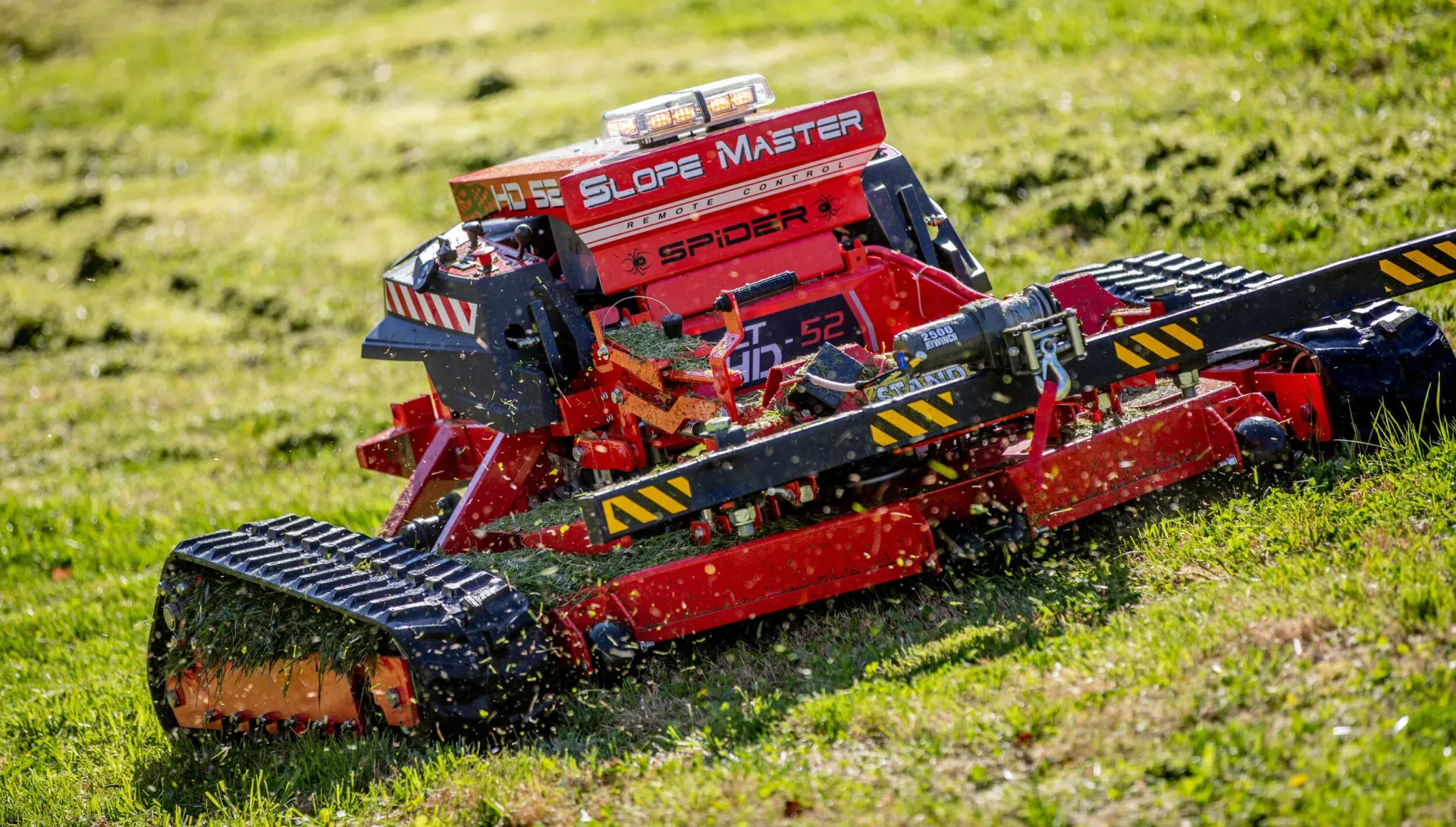
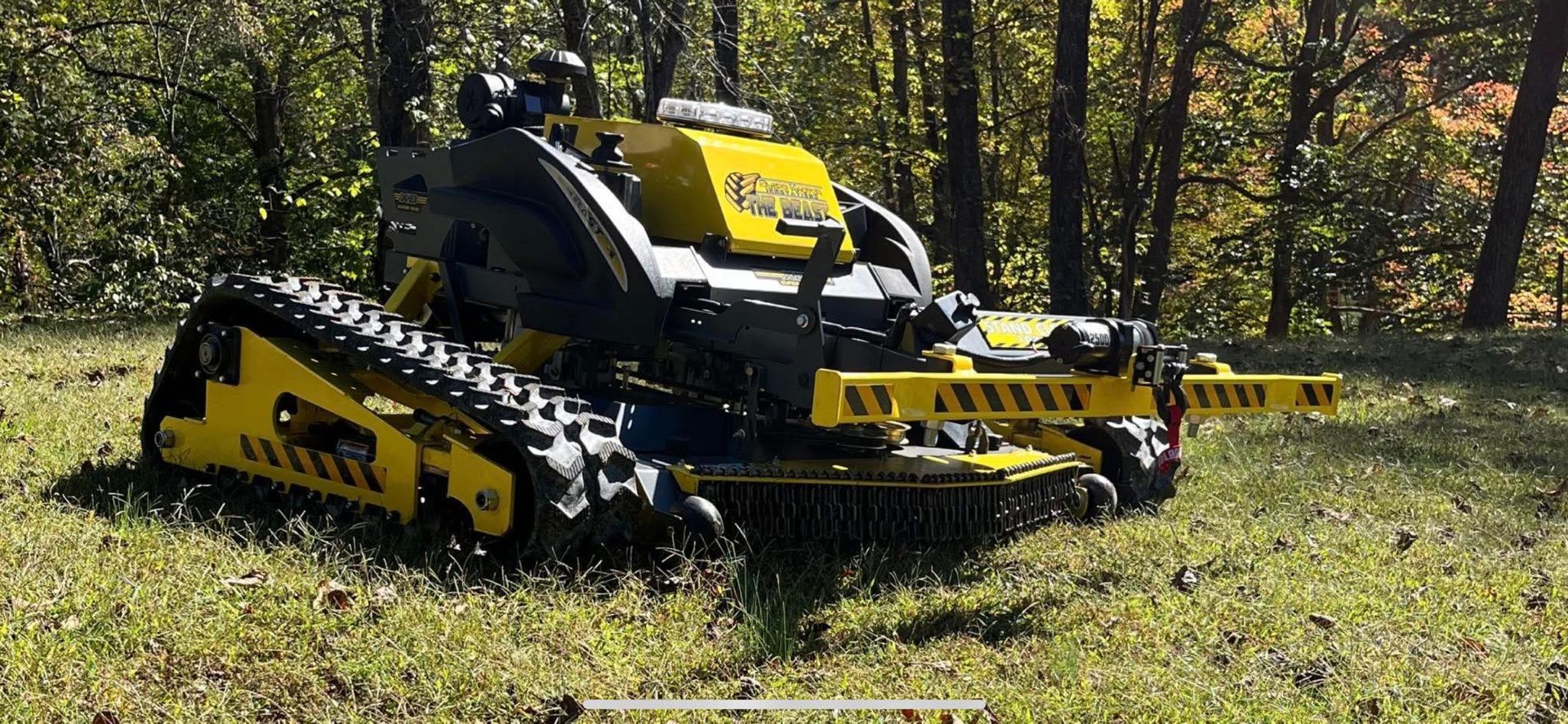
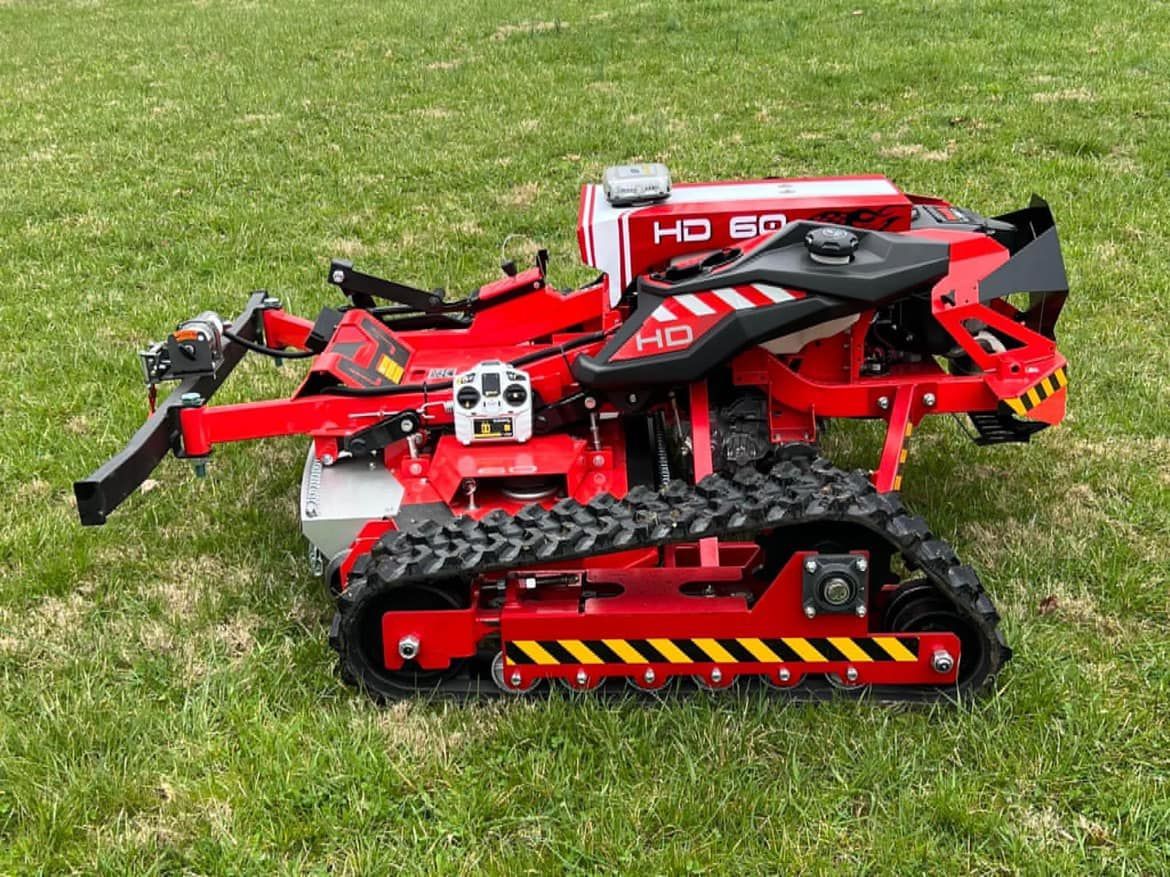
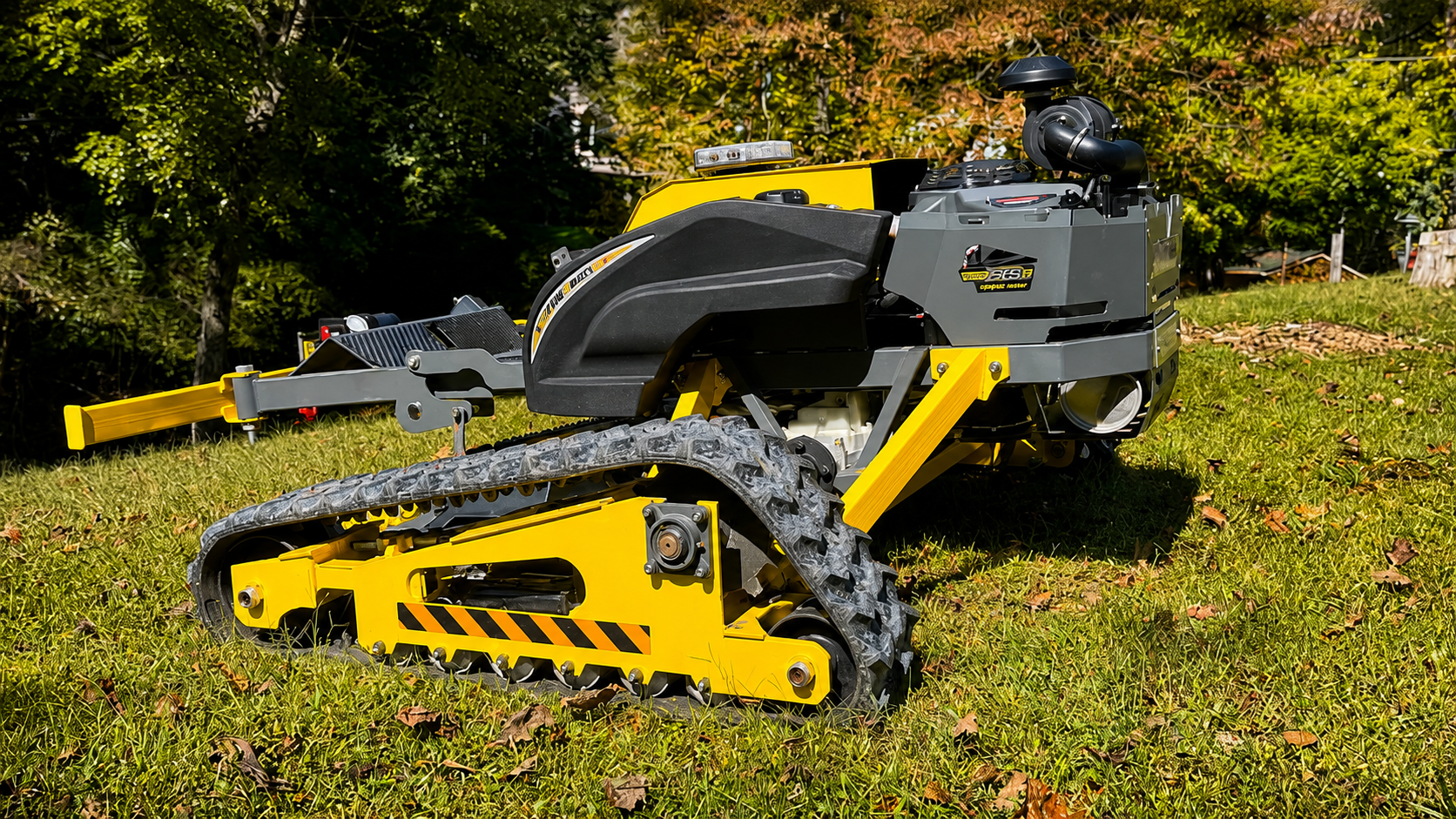
Slope Master Innovations builds commercial remote-controlled slope mowers in Kentucky. Share your department's site inventory and requirements so our team can discuss suitable models and configurations.
Request an itemized equipment quote, or call or text (606) 226-1004 to begin planning.