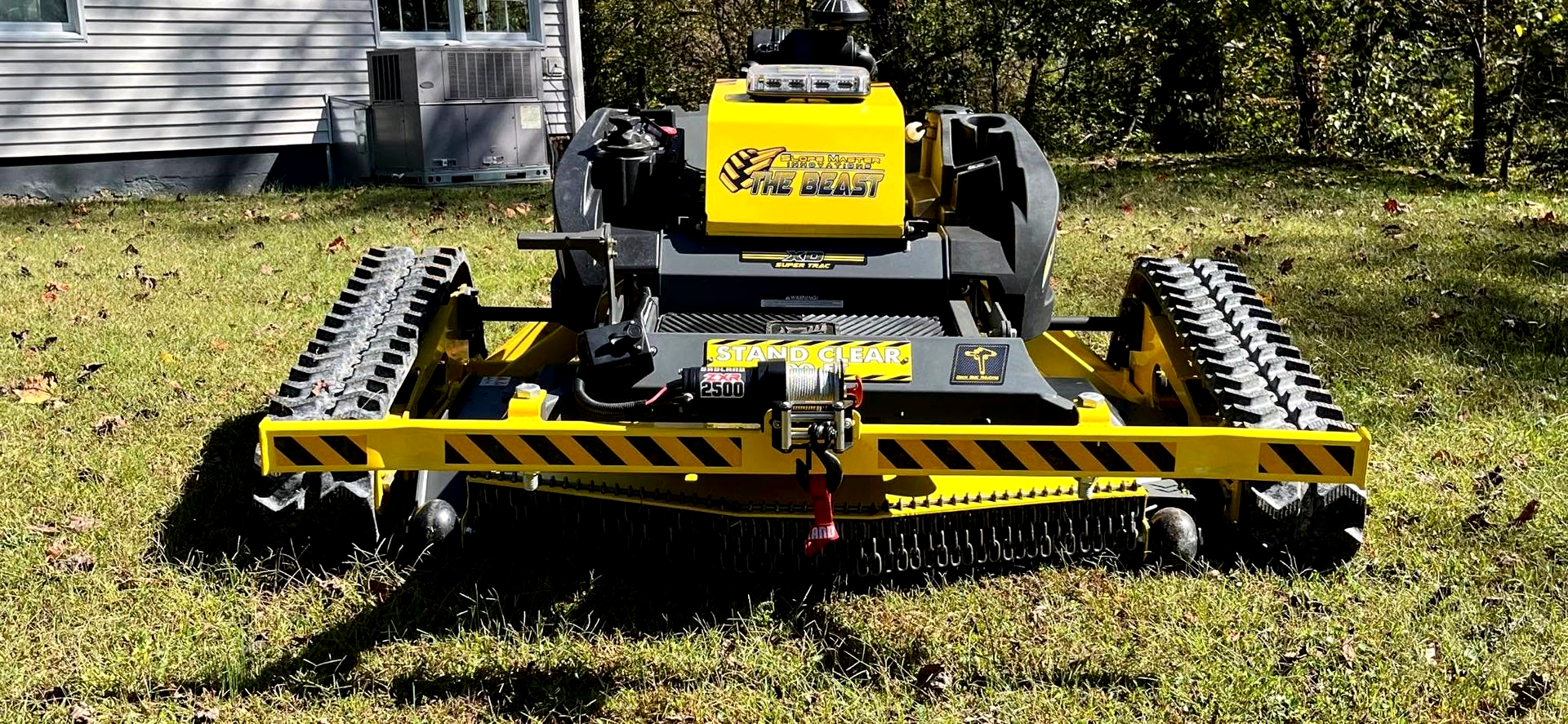
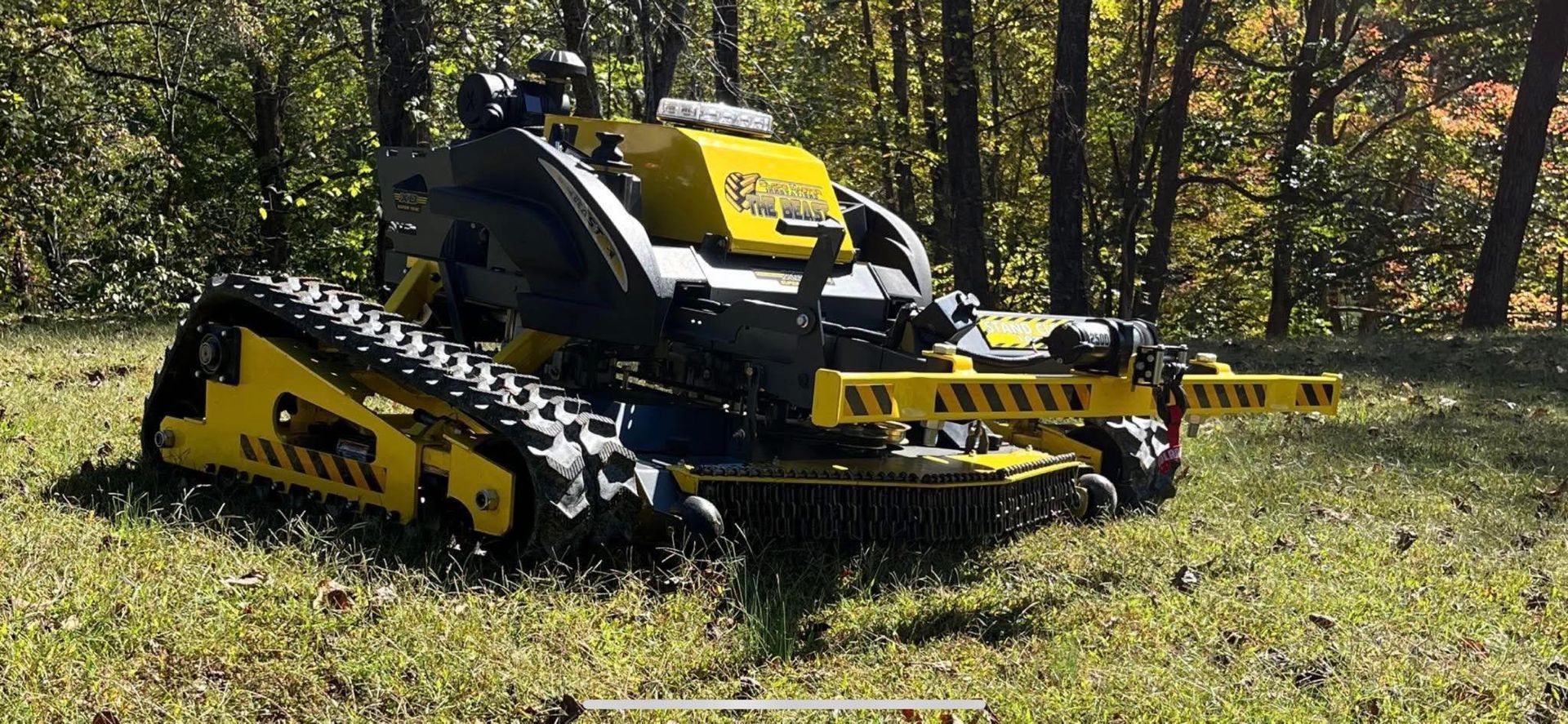
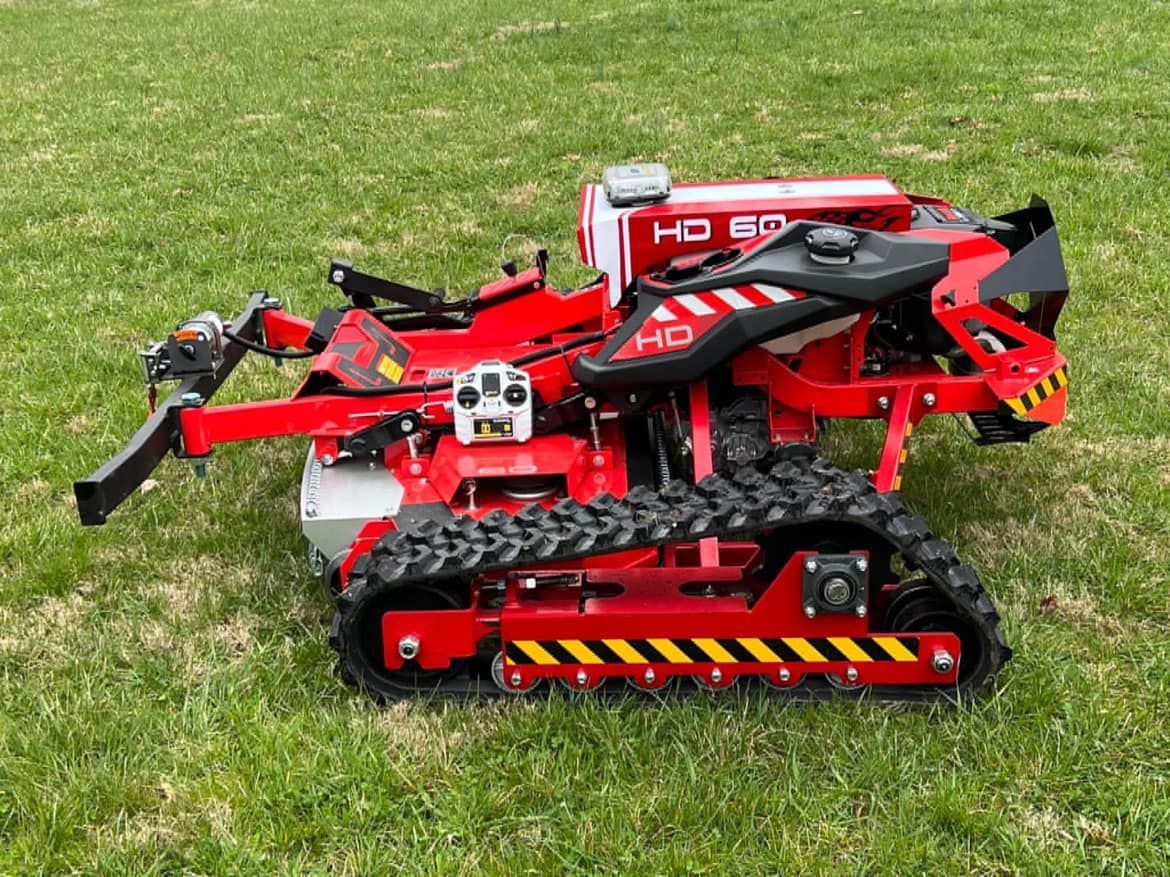
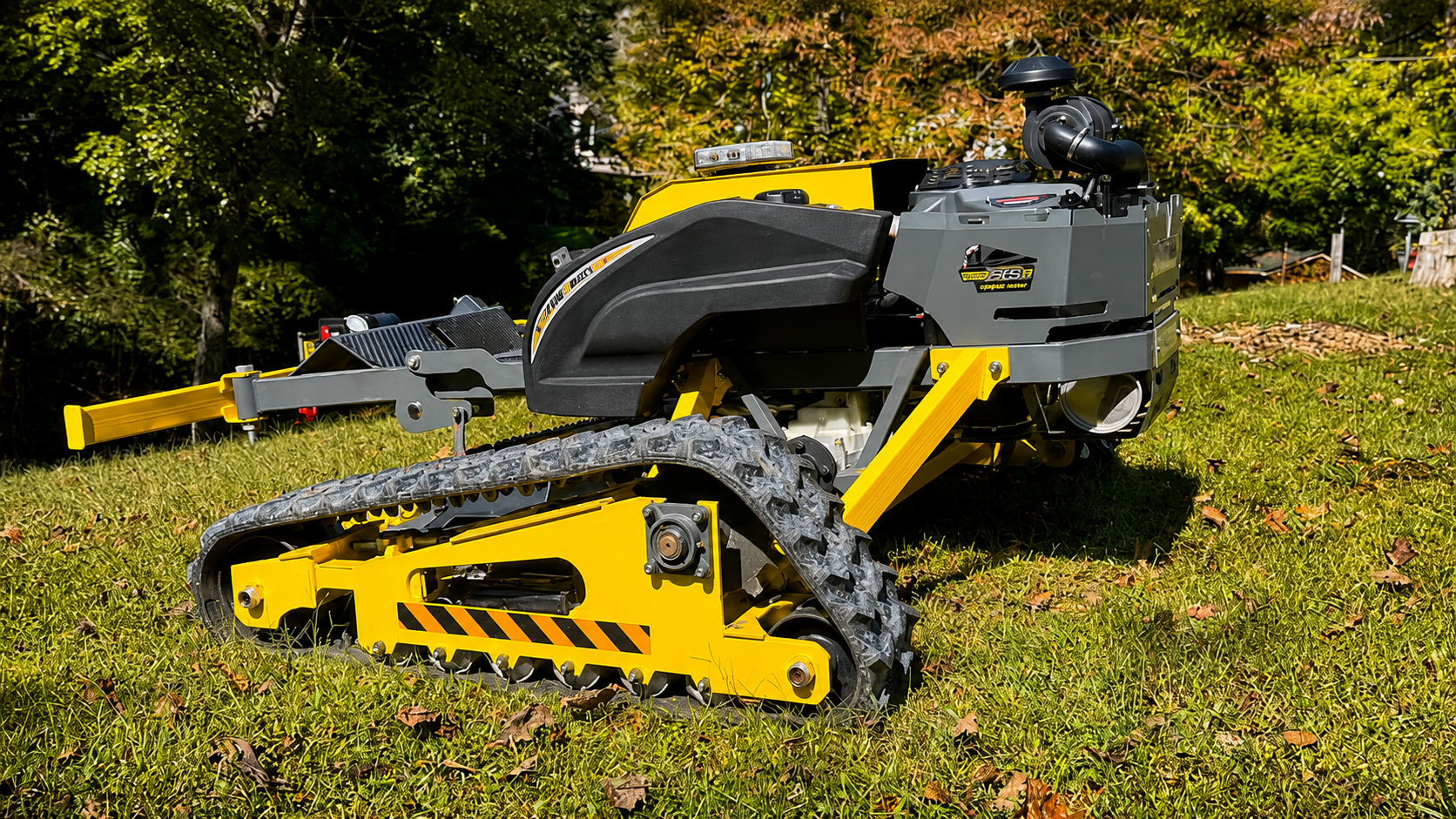
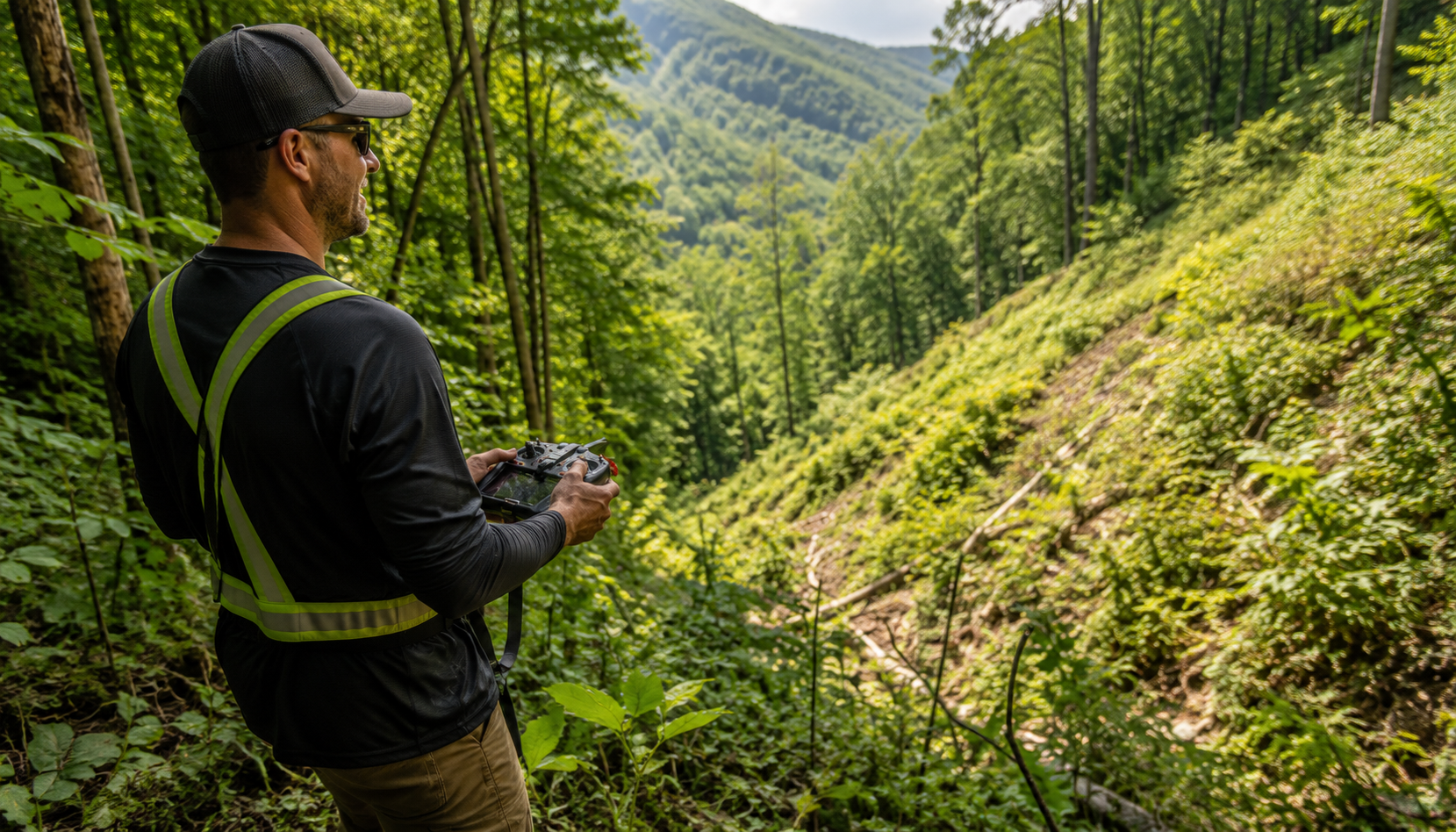
Maintaining steep terrain has always been one of the most challenging tasks in commercial property maintenance, municipal landscaping, and large-acreage land management. From highway embankments to retention ponds and mountainous properties, steep slope mowing often requires significant labor and presents serious safety risks when traditional equipment is used. While many organizations still rely on weed eaters, walk-behind mowers, or ride-on equipment for hillside mowing, the hidden costs of these traditional methods can add up quickly.
Today, many contractors, municipalities, and property owners are discovering that remote-controlled slope mowers and commercial slope mowing equipment offer a safer and more cost-saving landscape mowing solution for operators across the US. When the true costs of traditional steep slope mowing are analyzed—labor hours, injury risk, workers’ compensation claims, and inefficient productivity—the advantages of modern remote-controlled slope mowers become clear.
Labor Costs Add Up Quickly on Steep Hillsides
One of the highest hidden costs of mowing steep slopes with traditional equipment is labor inefficiency. When slopes are too steep for riding mowers, crews are often forced to rely on handheld weed eaters to maintain the vegetation. While this method technically works, it is extremely slow and labor-intensive.
It’s common for
two to four workers to spend several hours trimming a steep hillside that a commercial slope mower could complete in a fraction of the time. For contractors and maintenance teams responsible for multiple properties or infrastructure sites, this labor requirement quickly becomes expensive.
Traditional hillside mowing methods often result in:
- Increased payroll expenses
- Larger crews required for basic maintenance
- Extended job completion times
- Reduced productivity across maintenance teams
In contrast, the best remote
remote-controlled slope mowers allow a single operator to safely mow steep terrain with significantly greater efficiency, reducing labor requirements and improving operational productivity.
Worker Safety Risks on Steep Terrain
Another major concern when mowing steep slopes with traditional equipment is worker safety. Steep hillsides, loose soil, and uneven ground create dangerous conditions for workers operating handheld equipment or attempting to mow slopes with traditional riding mowers.
Maintenance crews working on steep slopes face risks such as:
- Slips and falls
- Equipment rollovers
- Heat exhaustion from prolonged manual trimming
- Injuries from unstable footing
For municipalities, contractors, and commercial property managers, these safety risks can translate into serious liability concerns. The more time workers spend physically standing on steep terrain, the greater the potential for accidents.
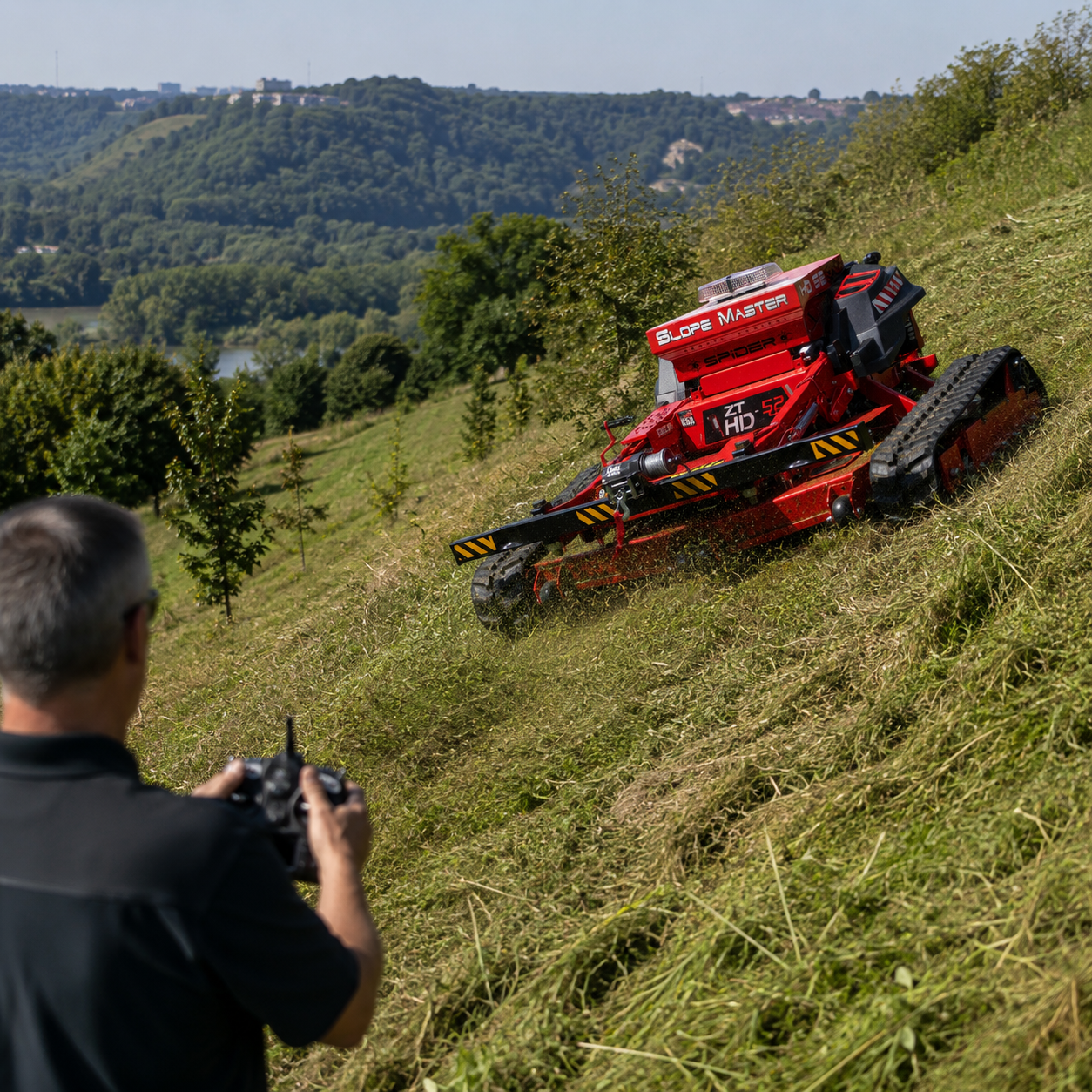
The best remote lawn mowers dramatically reduce these risks by allowing operators to control the mower from a safe distance while the machine handles the steep terrain.
Workers’ Compensation and Liability Costs
When injuries occur during steep slope mowing operations, the financial impact can be significant. Workers’ compensation claims, insurance costs, and lost productivity can quickly escalate when employees are injured while maintaining difficult terrain.
Common financial consequences of hillside mowing injuries include:
- Workers’ compensation claims
- Increased insurance premiums
- Lost work time and reduced productivity
- Potential liability exposure
Organizations responsible for maintaining steep landscapes are increasingly turning to
remote-controlled slope mowing equipment as a way to reduce these risks. By keeping operators off dangerous slopes, these machines help minimize the likelihood of workplace injuries while improving operational safety.
Inefficiency of Traditional Hillside Mowing Methods
Traditional mowing equipment was never designed to handle extreme terrain. Ride-on commercial mowers typically have limited slope capabilities, making them unsuitable for steep embankments, drainage areas, or mountainous properties.
As a result, crews must rely on slower manual trimming methods or avoid certain areas altogether.
This inefficiency leads to several operational challenges:
- Slower maintenance cycles
- Higher labor costs
- Inconsistent mowing quality
- Overgrown areas that require repeated trimming
Remote-controlled slope mowers solve these problems by providing
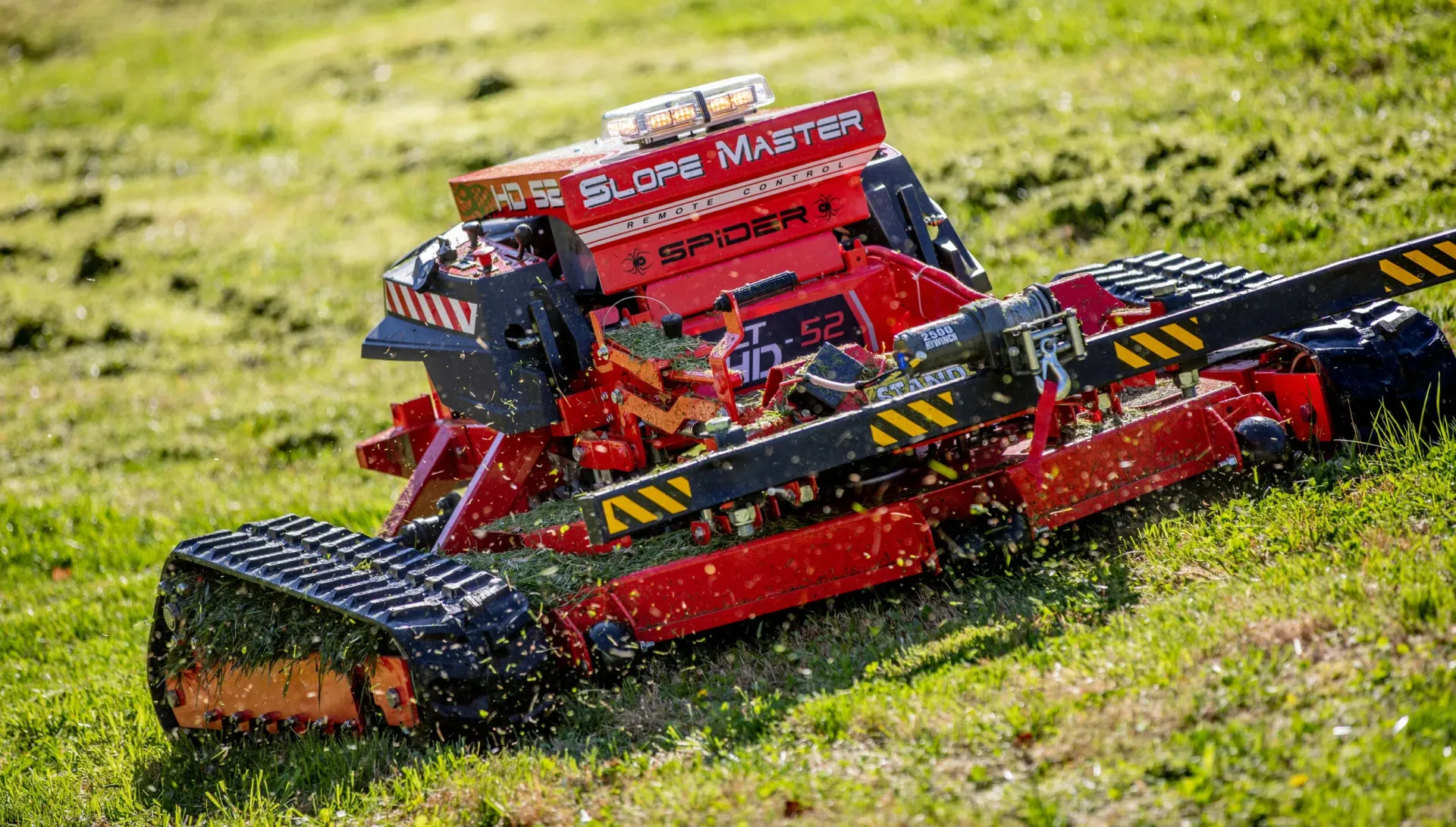
specialized steep terrain mowing equipment built specifically for hillside environments. With tracked traction systems and powerful cutting decks, these machines can safely handle slopes that traditional mowers cannot manage.
The Financial Advantage of Commercial Slope Mowers
When evaluating steep slope mowing operations, the cost difference between traditional methods and modern slope mowing equipment becomes clear. While traditional equipment may seem less expensive upfront, the long-term operational costs are often much higher due to labor inefficiency and safety risks.
Investing in a commercial remote-controlled slope mower can provide significant advantages, including:
- Reduced labor requirements
- Faster mowing completion times
- Improved worker safety
- Lower workers’ compensation risk
- Greater operational efficiency
For landscaping contractors, municipalities, and large property owners responsible for maintaining steep terrain, these benefits translate directly into long-term cost savings and improved operational performance.
A Smarter Approach to Steep Terrain Maintenance
Steep slope mowing will always present challenges, but modern technology is making it safer and more efficient than ever before. As demand grows for safe, efficient hillside mowing solutions, remote-controlled slope mowers are quickly becoming the preferred choice for organizations responsible for maintaining difficult terrain.
Whether managing highway embankments, retention ponds, infrastructure corridors, or mountainous properties, the best remote lawn mower gives the ability for landscaping teams to safely and efficiently mow steep slopes, which can significantly reduce operational costs while improving safety and productivity.
For many property managers, contractors, and municipalities, switching from traditional hillside mowing methods to remote-controlled slope mowing equipment is not just an upgrade... It’s a smarter long-term.